
Savoring a delicious meal is one of life’s great pleasures. Yet, have you ever stopped to consider what really shapes that experience? Flavor perception is at the heart of it all.
It’s a complex dance of taste, smell, and even texture that influences how we enjoy our food.
Understanding flavor perception is key, whether you’re a chef or just someone who loves to eat. I’ve explored this world deeply, diving into flavor profiles and culinary techniques that make a dish unforgettable.
You might be asking: why does this matter? Because knowing how flavors work can raise your cooking and dining experiences. When you grasp the science behind it, you gain solid taste psychology takeaways that can transform your meals from ordinary to extraordinary.
I’ve spent time unraveling the details of flavors, and I want to share that knowledge with you. This article will guide you through the mysteries of flavor perception.
By the end, you’ll appreciate your food more but also understand how to boost what’s on your plate. Ready to open up the secrets? Let’s dig in.
Flavor Perception: The Science of Taste and Smell
Ever wonder why a slice of gouda tastes so heavenly? It’s not just your taste buds at work. Our perception of flavor is a complex dance between taste and smell.
Taste buds, those tiny sensors on our tongues, pick up basic tastes like sweet, sour, salty, bitter, and umami. But here’s the kicker: they’re just part of the story.
The real magic happens when taste meets smell. Our olfactory senses, located in the nose, detect aromas. When you eat, these aromas travel to your nose and interact with the tastes on your tongue, creating a full flavor experience.
It’s like a duet between taste and smell, producing the symphony we call flavor. Fascinating, right?
Think about biting into a juicy burger. You’re not just tasting the beef. You’re also experiencing the char, the spices, perhaps even the caramelized onions.
It’s a combination of different tastes and aromas weaving together. This is where taste psychology takeaways come into play. They help us understand how these elements work in harmony (or sometimes in chaos).
Speaking of chaos, let’s bust a myth: flavor isn’t the same as taste. It’s easy to confuse them, but they’re different. Taste is just one part.
Flavor is the whole thing (taste) plus aroma. It’s what makes vanilla ice cream taste different from chocolate, even though they’re both sweet.
So next time you enjoy a meal, remember: you’re not just eating. You’re experiencing a carefully crafted flavor concerto, played by your taste buds and olfactory senses. Isn’t that a treat?
Flavor Perception: The Cultural Imprint
Ever wonder why some people love spicy food while others can’t handle it? Cultural background plays a huge role in shaping our taste preferences. Growing up in a certain region means being exposed to specific flavors from day one. In Mexico, chili peppers are a staple.
Meanwhile, in Japan, umami-rich ingredients like miso and soy sauce dominate the palate.
But here’s the twist. Globalization is blurring these traditional lines. You can find sushi in Paris and tacos in Tokyo.
This cross-cultural culinary exchange is fascinating. It shifts traditional flavor profiles and introduces us to new taste sensations. Some purists might balk at the idea of fusion cuisine, but I think it’s a delicious way to expand our taste horizons.
Now, don’t get me wrong. I’m not saying all change is good. Sometimes, cultural details get lost in translation (and taste).
Yet, the exchange of flavors can lead to new culinary creations that reflect our interconnected world. For those interested in how culture shapes eating habits, it’s a reminder that food can be a bridge, not a barrier.
These taste psychology takeaways reveal that while we may have different backgrounds, we share a universal love for good food. Isn’t that something to savor?
Culinary Alchemy: Flavor Balancing Secrets
Ever thought about the magic of flavor perception? It’s that unexplainable moment when a dish just clicks, and you can’t get enough. taste psychology takeaways come into play. You know that feeling when a dish perfectly balances sweet and salty or sour and umami?
That’s what I’m talking about.
It’s like that surprise guitar riff in a song you love (you didn’t see it coming, but it completes the tune).
to those techniques chefs use to balance flavors. First, there’s the classic salt and acid trick. A pinch of sea salt or a squeeze of lemon can transform a dish.
Now, how about a step-by-step guide? Picture this: a dish of caramelized figs with a balsamic reduction and crumbled blue cheese. Start with ripe figs.
Slice them and sauté in a hot pan until they caramelize. Then, reduce some balsamic vinegar until it thickens. Drizzle over the figs and finish with crumbled blue cheese.
The result? Sweet, tangy, and salty notes that dance on your tongue.
Ever wondered how umami flavors work their magic? Check out the Science Behind Umami Flavors for an enlightening read. It’s a game-changer in cooking.
Pro tip: Taste as you go. It’s your best guide to achieving that balance. Remember, culinary arts are about experimentation.
So, don’t be afraid to tweak recipes. Each tweak is a step closer to creating something memorable. Cooking isn’t just a necessity; it’s an art form waiting to be explored.
Flavor Experiments: What’s Cooking Now?
Exploring the culinary world right now is like opening a mystery box. You never know what surprises are inside. Lately, exotic flavors are taking the spotlight.
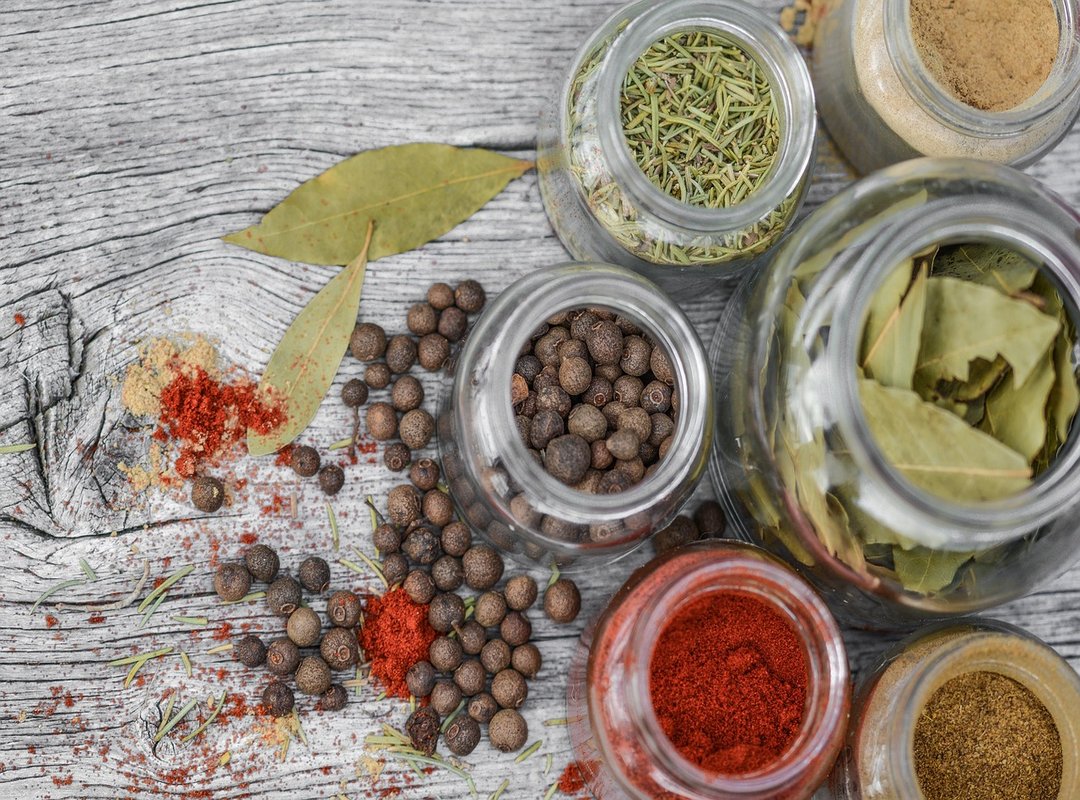
Think of plant-based flavors and fermented foods. They aren’t just trendy; they’re reshaping how we experience taste.
Technology plays a big role here. It’s not just about cooking anymore. It’s about innovation.
Chefs and food scientists use tech to create new flavors and textures (thank you, food processors and molecular gastronomy). The result? A whole new level of taste exploration.
Ever tried a kombucha-infused dish? It’s wild, but it works.
Taste psychology takeaways show that our brains are wired to seek out new flavors. We crave novelty. This demand pushes the food industry to experiment more.
According to a systematic review of the relationship, our taste buds are evolving alongside these trends.
One bold movement is using fermentation. It’s an ancient technique making a comeback. Fermented foods are not just delicious; they’re good for your gut.
Pro tip: Try fermented kimchi. It’s a game-changer.
In short, the flavor space is changing fast. Keep your taste buds ready for the next big thing. Who knows what’s next?
Artisan Cheese: A Taste Adventure
Ever taken a bite of artisanal cheese and felt like you were unlocking a secret? The unique flavor profiles in these cheeses are mind-blowing. From sharp to mellow, each one tells its own story.
But how do they get there? Aging. Yep, time is the secret ingredient.
The longer it sits, the more intense the flavor (like wine, but cheesier).
And then there’s the production method. Raw milk, pasteurized, washed rind, or bloomy rind. All these methods play with the taste.
It’s like a mad scientist’s lab, but tastier.
Pairing cheeses with food? taste psychology takeaways come into play. You want the cheese to shine, not overshadow or be overshadowed. Pair a creamy Brie with a crisp apple.
Trust me, the crunch and creaminess will dance on your tongue. Ever tried Gouda with dark chocolate? Do it.
You’ll wonder why you never did before.
Raise Your Cooking with Flavor Know-How
Understanding flavor perception is more than just a culinary trick. It’s important.
The takeaways into taste psychology takeaways can change how we cook and enjoy food. They can boost flavors and create memorable dining experiences. When I apply these principles, I’m amazed at the transformation in my dishes.
Have you tried experimenting with how flavors interact? It’s exhilarating.
I encourage you to take these takeaways and weave them into your culinary adventures. Taste is subjective, but knowing how to manipulate it gives you an edge. You can craft dishes that satisfy but also surprise.
What’s stopping you from elevating your cooking? Dive deeper into flavor profiles and explore new combinations.
Don’t just settle for the ordinary. Get excited about experimenting with ingredients and techniques.
Want to take the next step? Seek out resources that spark your curiosity. Consider cooking classes or online workshops that emphasize flavor.
Ready to transform your kitchen game? Start experimenting today.
Your taste buds deserve it.
Let’s embrace the art and science of cooking. The flavors are waiting for you to discover them. So get to it and enjoy the journey.
 Wynovox Pell serves as a primary architect of flavor at Zavagouda, focusing on the intersection of zesty trends and modern gourmet techniques. Pell’s work centers on deconstructing complex Gouda flavor profiles to make high-end artisan cheese crafting accessible to the contemporary kitchen. By experimental layering of bold spices with traditional textures, Wynovox ensures that the culinary pulse of the brand remains at the forefront of the gourmet world