
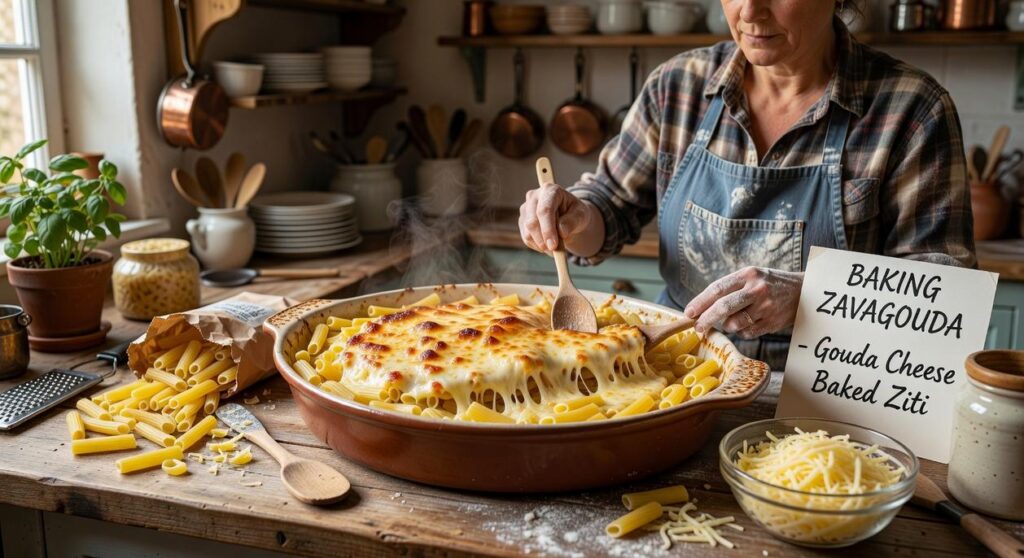
I’ve been baking with cheese for years and I can tell you this: most people stop at cheddar or parmesan and wonder why their savory bakes taste flat.
You want your cheese scones and breads to taste like something from a high-end bakery. But they come out good, not great. There’s a reason for that.
The difference comes down to how you pair flavors. When you combine the nutty richness of Gouda with something bright and zesty, everything changes.
I work with these flavor combinations every day at Zavagouda. We test different cheese profiles and figure out what actually works in baking (not just what sounds good on paper).
This guide shows you how to build that bold, artisan taste into your own baked goods. You’ll get specific recipes and the core principles behind them.
No complicated techniques or ingredients you can’t find. Just a better way to think about cheese in baking.
By the end, you’ll know how to create baking zavagouda style goods that make people ask for the recipe. And you’ll have a framework for experimenting on your own.
Deconstructing the Zavagouda-Inspired Flavor Profile
I’ll never forget the first time I bit into a piece of aged Gouda that had been sitting in my fridge for three months.
It wasn’t planned. I’d bought it for a cheese board and forgot about it. When I finally unwrapped it, those little crunchy crystals hit my tongue and everything clicked.
That’s when I understood what zavagouda is really about.
The Foundation: The ‘Gouda’ Element
Young Gouda is fine if you want something that melts. It’s mild and creamy and does the job.
But aged Gouda? That’s where the magic lives.
The aging process transforms the cheese completely. You get this deep, nutty flavor that young Gouda can’t touch. And those crystals I mentioned? They’re actually concentrated amino acids that form as the cheese ages (the Dutch call them “cheese crunchies” and they’re RIGHT).
When I’m baking zavagouda, I reach for aged Gouda every single time. The intensity matters.
The Counterpoint: The ‘Zesty’ Element
Now some people think zesty just means lemon.
They’re missing out.
I’ve played with chili flakes that add heat without overpowering. Smoked paprika brings this earthy depth that makes people ask what you did differently. Fresh dill and chives give you that bright pop. And mustard powder? It cuts through with a sharpness that wakes everything up.
The trick is knowing which zesty element fits your dish.
The Synergy: Achieving Culinary Harmony
Here’s what actually happens when you get this right.
The creamy, salty Gouda softens the zest. The zest slices through the richness of the cheese. Neither one dominates. They just work together in a way that makes you want another bite.
That’s the whole point. Not just flavor. Not just texture.
Balance.
Core Techniques for Baking with Artisan Cheese
You want to bake with artisan cheese but you’re not sure where to start.
I’ve been there. You grab some beautiful Gouda from the market and toss it into your dough. Then you pull out a greasy mess that tastes nothing like what you imagined.
Here’s what most recipes won’t tell you.
The way you prep your cheese changes everything.
Shred vs. Cube: What’s the Difference?
Some bakers say it doesn’t matter. Just throw the cheese in however you want.
They’re wrong.
Finely shredded cheese melts into your dough. It disappears and spreads flavor throughout every bite. You won’t see it but you’ll taste it everywhere.
Small cubes do the opposite. They stay put and create pockets of melted goodness. When you bite into a scone, you hit that gooey center.
So which one should you use?
It depends on what you’re making. For breads where you want consistent flavor, shred it. For scones or biscuits where you want surprise bursts of cheese, cube it.
(I usually do a mix of both when I’m baking zavagouda recipes. Best of both worlds.)
But here’s the catch. Fat content matters more than most people think.
Gouda is rich. Really rich. That fat adds incredible flavor but it can wreck your texture if you’re not careful. Your dough gets greasy and heavy instead of light and flaky.
The fix is simple. Keep everything cold. Your cheese, your butter, even your bowl if you can. Cold fat means flaky layers instead of an oil slick.
Pro tip: Stick your shredded or cubed cheese in the freezer for 15 minutes before you start mixing.
Now here’s where people mess up the most.
They knead the cheese into the dough like they’re making bread. All that does is break down the fat and create clumps of cheese in one spot and nothing in another.
For scones and biscuits, fold instead. Gently layer your dough over the cheese. You’re creating what I call the lamination illusion. It’s not true lamination but it gives you those beautiful layers and spreads the cheese without overworking it.
Every bite gets flavor. Every piece has texture.
That’s the difference between okay cheese baking and something people actually remember.
Recipe Spotlight: Aged Gouda, Chili & Chive Scones
I’m going to be honest with you.
The first time I pulled these scones out of the oven, the smell stopped me in my tracks. That sharp, nutty aroma of aged Gouda mixed with butter and a whisper of heat from the chili flakes? It fills your kitchen in the best way possible.
This recipe is where I tell people to start when they’re baking zavagouda for the first time. It’s not complicated, but it teaches you everything you need to know about balancing rich cheese with bright, spicy notes.
Some bakers will tell you that scones should be plain. That adding cheese and chili ruins the delicate crumb. They say you should stick to traditional recipes and not mess with what works.
But here’s what I’ve found.
A good scone base can handle bold flavors if you respect the technique. The key is in how you work the dough and what quality of cheese you use.
The Foundation
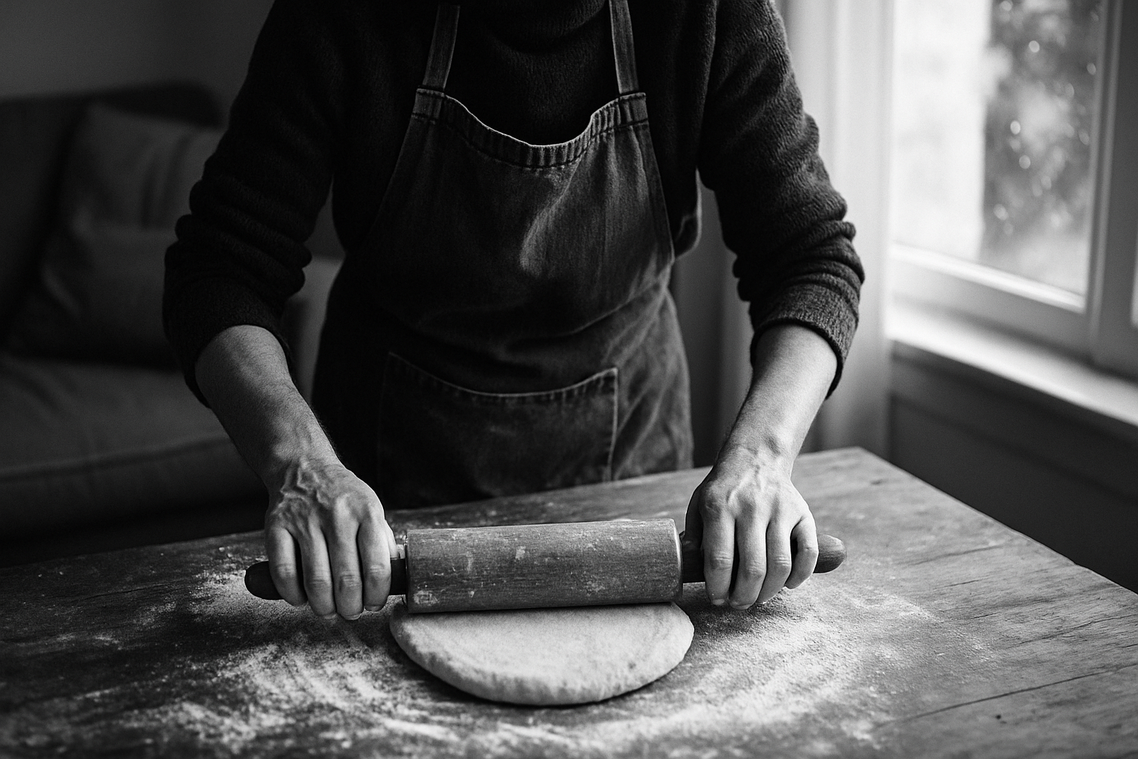
Start with your dry ingredients. Flour, baking powder, a pinch of salt. Then work in cold butter until the mixture looks like wet sand between your fingers. Those little pebbles of butter? That’s what gives you flaky layers.
Now comes the good part.
Fold in 1.5 cups of coarsely shredded aged Gouda. I’m talking at least 12 months old. You want those crystalline bits that crunch slightly when you bite into them. Add half a teaspoon of red chili flakes and two tablespoons of fresh chives, chopped fine enough that you see little green flecks throughout.
The buttermilk goes in last. Cold, straight from the fridge. Pour it slowly and mix just until everything comes together in a shaggy mass. Your hands should feel the cool dough pulling away from the bowl.
Don’t overmix. The moment you see no dry flour, stop.
Pat the dough out on your counter. It should feel slightly tacky but not sticky. Cut it into wedges and brush the tops with milk. Then sprinkle flaky sea salt over each piece.
When they bake, the edges turn golden and crispy while the inside stays tender. You’ll see little pools of melted cheese bubbling at the surface.
That first bite? The exterior shatters. Then you get the soft, buttery crumb with pockets of sharp, salty Gouda and tiny bursts of heat.
Perfect with coffee or alongside what to serve with zavagouda for a complete spread.
Beyond Scones: More Zavagouda-Inspired Baking Ideas
You’ve nailed the scone.
Now what?
The same principles that made your scones work can transform other baked goods. You just need to know where to apply them.
Gouda & Black Pepper Artisan Loaf works beautifully. Add 1 cup of cubed aged Gouda and 1 tablespoon of coarsely cracked black pepper to your no-knead bread recipe before the final proof. The cheese melts into pockets of flavor.
Here’s where I’m not entirely sure though. Some bakers say you should add the cheese earlier in the process. Others swear by adding it late. I’ve tried both and honestly? The timing doesn’t seem to matter as much as people claim.
Spicy Gouda Cornbread Muffins are straightforward. Fold in 1 cup of shredded Gouda and 1 finely diced jalapeño into your cornbread batter. The heat cuts through the richness.
Gourmet Cheese Straws might be the easiest win. Use store-bought puff pastry (no shame in that). Brush with egg wash and sprinkle generously with finely grated Gouda, smoked paprika, and a pinch of cayenne. Cut into strips, twist, and bake.
The technique of baking zavagouda into different formats keeps surprising me.
Savory Dutch Baby Pancake is where things get interesting. Prepare your standard batter. Before the oven, scatter shredded Gouda and fresh thyme over the melted butter in your skillet. Pour the batter over top and bake.
Does the cheese always distribute evenly? Not really. Sometimes it clumps. But that’s part of what makes it good.
The key is experimenting with what you already know how to make.
Your New Chapter in Savory Baking
You came here to break free from boring cheese baking.
Now you know how to create baking zavagouda treats that actually taste like something. The kind of savory goods that make people ask for the recipe.
I’ve shown you the core principle: pair a rich aged Gouda with something bright and zesty. That’s where the magic happens.
You don’t need fancy equipment or hard-to-find ingredients. You need good cheese and the confidence to balance flavors.
Start with the scone recipe. It’s forgiving and it works. Once you nail that, you’ll understand how these flavors play together.
Then experiment. Use what you learned here as your foundation and build on it.
The difference between bland and memorable is smaller than you think. It’s about choosing quality ingredients and respecting the balance between rich and bright.
Your kitchen is ready. Your ingredients are waiting.
Make those scones this weekend and taste what you’ve been missing.
 Elveris Tavendria founded Zavagouda with a singular mission: to elevate the appreciation of artisanal cheese from a simple ingredient to a complex culinary experience. Driven by a passion for the nuanced flavor profiles of premium Gouda and a keen eye for zesty, modern food trends, Tavendria has positioned the platform as a premier resource for both aspiring home cooks and seasoned gourmets. By bridging the gap between traditional cheese-crafting techniques and innovative gourmet cooking, Elveris continues to inspire a community of food enthusiasts to explore the rich, pulse-pounding potential of artisan flavors in every dish.