
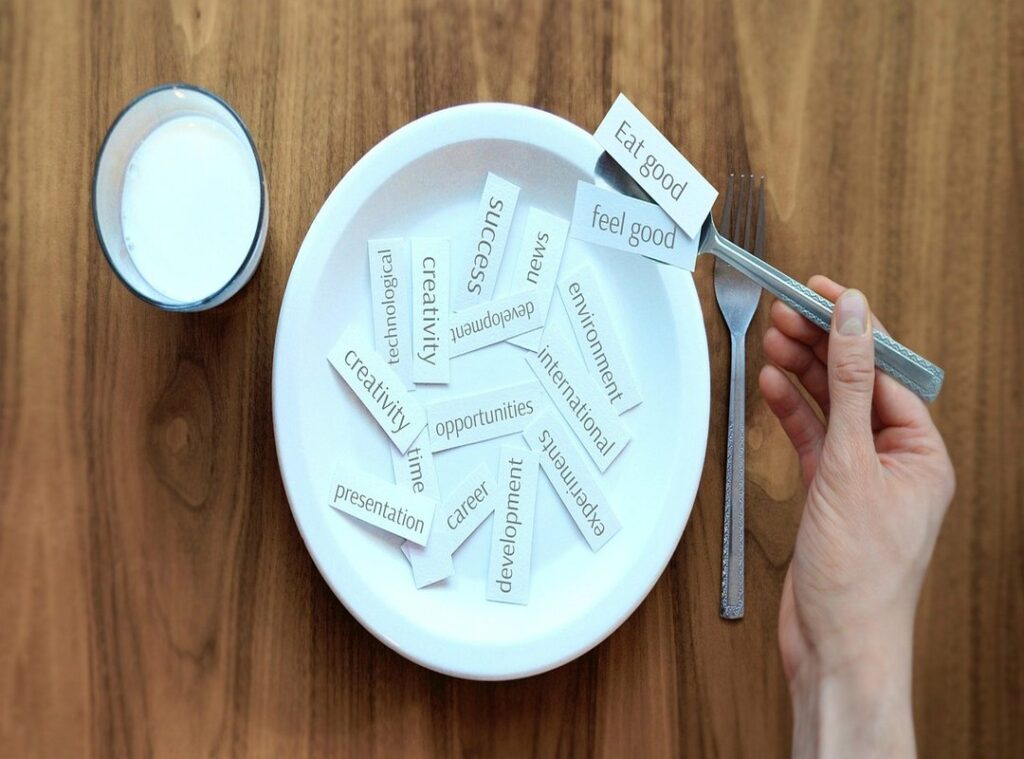
Ever wonder why some dishes look like art while others seem flat? Presentation matters, and it can make or break a meal. I know you want your food to pop, not just taste good.
When I dive into food presentation takeaways, I’m always amazed by how simple changes can raise a dish. A sprinkle of herbs, a dash of color, or even the right plate can create a total transformation.
Think about it. Have you ever been turned off by a dish that looked unappealing? I have.
It’s frustrating because we eat with our eyes first.
This article breaks down effective techniques that anyone can use to present food beautifully. I’ll share tips that come from real culinary experiences. You’ll learn how to impress your guests or even just yourself.
Let’s turn your next meal into a feast for both the palate and the eyes. Get ready to raise your culinary game.
Beyond Taste: The Art of Culinary Presentation
You know when a dish looks so good you almost hesitate to eat it? That’s the magic of food presentation. It’s not just about piling food on a plate.
It’s about creating a visual delight that makes your taste buds tingle before the first bite. Studies show that beautifully presented food doesn’t just look better (it) actually tastes better. The brain’s a sucker for aesthetics.
Think about it. Would you rather eat a pile of spaghetti plopped on a plate or a neatly twirled nest with a sprinkle of fresh basil? One feels intentional, another, an afterthought.
This is food presentation takeaways at work. It’s not about being fancy or needing special tools. It’s about small tweaks that make your meal feel like an event.
Even the simplest dishes can feel gourmet with a little care. It’s like when you add a fresh garnish to your scrambled eggs. Boom.
Instant upgrade! Skipping on presentation? It might make even the yummiest food seem dull.
Remember, the first bite is always with the eyes. So, next time you’re plating, think of it as an art form. It’s less about perfection and more about enhancing what you’ve already got.
Mastering the Canvas: Plate Choice and Food Placement
Plate choice really matters when you’re trying to nail that perfect presentation. Believe it or not, plate size, shape, and color can make or break how your food looks. White or neutral plates are a safe bet.
They let your food shine. Think of them as a blank canvas, waiting for your masterpiece.
Less is more. Don’t cram your plate full. Each bite should have its own space to breathe.
Elegance comes from simplicity. (And yes, your Aunt Karen might not get it, but that’s okay.)
Now let’s talk about strategic food placement. The ‘rule of odds’ suggests grouping items in odd numbers to create depth and interest. Weird, right?
It should be the star of the show.
But it works. Aim for a clear focal point. Usually, that’s your main protein.
Negative space isn’t just for artists. Use it to draw the eye to your food. A cluttered plate is a confused plate.
Picture a clock face when arranging your meal. Protein at six, veggies at two, starch at ten. It’s a classic technique.
And if you’re curious about how culture shapes eating habits, that’s another layer of food presentation takeaways to explore.
A Splash of Color: Using Hues and Contrasts to Pop
Color in food isn’t just for show. It can mess with your head in the best way. Ever noticed how lively colors make food look fresher and healthier?
That’s no accident. Bright reds and greens catch our eye and scream “eat me.” Think about red tomatoes next to green basil. Simple, right?
Yet it’s a visual feast.
If you’re looking for food presentation takeaways, start with natural ingredients. Fresh herbs and colorful veggies like bell peppers or berries can transform a dish. And hey, edible flowers?
They add a touch of whimsy without going overboard. But here’s a pro tip: balance is key. Too much color can turn your plate into a mess (and not the good kind).
Avoid artificial colors. They’re a shortcut that usually backfires. Instead, let nature do the heavy lifting.
The inherent beauty of fresh ingredients beats neon dyes any day.
In Providence, Rhode Island, where local produce is a big deal, it’s easier to find fresh, colorful options. Visit a farmer’s market and see for yourself. You’ll understand why chefs here swear by natural hues.
It’s all about letting the ingredients shine without the artificial fuss.
Texture and Height: Raise Your Plate
I’ve always believed that contrasting textures breathe life into a dish. Imagine a creamy soup topped with crunchy croutons. The soft, smooth base gets an exciting kick with every bite.

You want your food to feel as good as it tastes, and a crispy element comes in. Toasted nuts, seeds, or a sprinkle of breadcrumbs can transform the mundane into the memorable.
Different cooking methods also play a huge role in this. Roasting yields a charred exterior, frying offers a satisfying crunch, and pureeing gives a silky finish. These techniques naturally create textures that pop on the plate.
Height adds drama. Stacking components like a layered lasagna or piled-high pancakes grabs attention. It’s not just about looks, though.
Adding a sprig of herbs or a tall cracker can make your dish look and feel complete. It’s all about balance. Stack your ingredients, but avoid creating a leaning tower that’s impossible to eat.
I stumbled upon food presentation takeaways that expand on these concepts. Whether you’re cooking for yourself or trying to impress, focusing on texture and height can change the way you look at your food. Go ahead, play with your food (just this once).
Garnish Like a Pro: Simple Touches, Big Impact
Ever thought about garnishes beyond a sprig of parsley? You should. Fresh herbs can transform your dish (think) chopped cilantro or a sprig of thyme.
They should match the dish’s flavor. Citrus zest is another game-changer. Not just for looks, it adds a pop of color and aroma.
And who could ignore toasted nuts or seeds? They bring texture and visual interest. Sesame seeds on Asian dishes or almonds on salads are perfect examples.
But let’s talk drizzles and sauces. The art here is in creating elegance. A swirl or a dot of contrasting sauce (like balsamic glaze over caprese) can make any dish look chef-crafted.
Now, a pro tip for effective garnishing: stick to the dish’s flavor profile. It’s not just decoration. Overdo it, and you’ll overpower the main dish.
Use garnishes sparingly. That chiffonade of basil or a dash of paprika? Easy yet elegant.
For more psychology of taste preferences, check out how different flavors impact your senses. Food presentation takeaways aren’t just about looks. They’re about elevating your dining experience.
So, get creative. Pull out those nuts and zest. Your plate deserves it.
Raise Your Plates Today
You can create beautiful meals without feeling overwhelmed. Those initial fears about plating? Forget them.
With simple techniques like choosing the right plate, placing your food thoughtfully, and adding color and texture, you can transform any dish.
I challenge you to try just one or two of these food presentation takeaways in your next meal.
Watch how it elevates your cooking. Practice makes perfect. Cooking is about joy, and that includes how your food looks.
So grab that plate and start experimenting. You’ve got this! What’s stopping you from impressing your guests?
 Blyxara Dwell is a dedicated specialist in the technical artistry of cheese production and curated gourmet experiences. With a deep focus on the meticulous process of artisan cheese crafting, Dwell explores the chemical and sensory evolution of Gouda from vat to table. Through insightful guides on gourmet cooking techniques and flavor pairing, Blyxara provides the essential knowledge needed to appreciate the sophisticated heritage and evolving trends within the artisan community.