
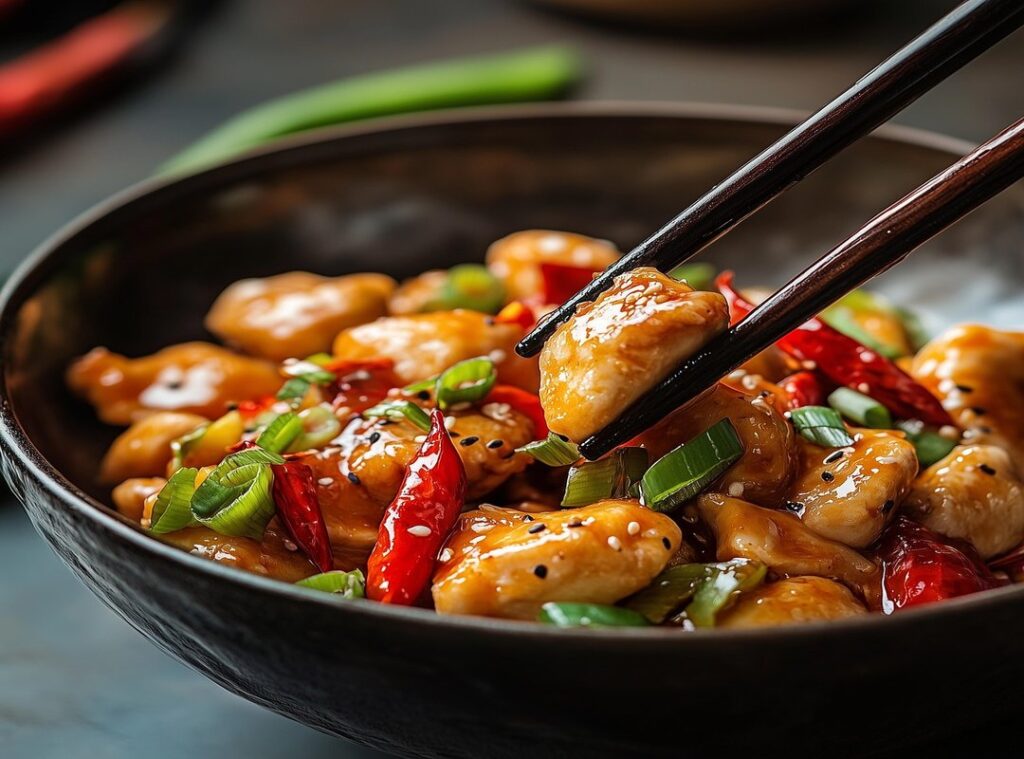
What’s your favorite cultural dish? You know, the one that takes you back home or makes you feel connected to your roots?
In this article, I’m diving into how culinary practices shape our cultural identity. I want to explore the intimate relationship between what we eat and who we are. When we think about it, food influences culture in more ways than we often realize.
Have you ever noticed how certain dishes tell stories? They carry traditions, memories, and even values from one generation to the next. I’ll share compelling examples that illustrate this connection, based on solid research and real-life experiences.
Food isn’t just sustenance; it’s a key part of what makes us human. It brings people together and often reflects our heritage. I want to show you how this plays out in various cultures and how dishes evolve while still holding onto their roots.
By the time you finish reading, you’ll have a clearer understanding of how our culinary choices define us. You’ll see food as a bridge linking us to our past, our community, and ultimately, our identity. Let’s get into it.
Cultural Identity: A Feast of Expression
Cultural identity is like a fingerprint, unique and telling. It’s the shared beliefs, customs, and traditions that connect us to a community. But why’s it important?
It shapes our worldview and influences how we interact with society. It’s not just about where you’re from. It’s about how you express yourself, and food is a solid part of that expression.
Food influences culture in ways you might not even realize. It’s a marker of cultural identity, a form of expression that transcends borders. Think about it.
When you bite into a spicy curry or a savory pasta, you’re experiencing a piece of a culture’s history and values. Each dish tells a story, often more vivid than words could.
Ever notice how some dishes are inseparable from their cultures? Take sushi. It’s not just fish and rice.
It’s a bold representation of Japanese precision and aesthetics. Or consider tacos. They’re not just street food.
They’re a snapshot of Mexican culture, lively and communal.
Pro tip: If you want to understand a culture, start with its food. It’s the most delicious research you’ll ever do.
Food isn’t just sustenance. It’s a symbol. A way to preserve heritage and pass it down through generations.
It’s a universal language that everyone speaks, even if they don’t realize it. So next time you’re digging into a dish, think about what it represents. What story does it tell?
Remember, every bite is a connection to something bigger, something deeply rooted in cultural identity.
Culinary Crossroads: How Food Shapes Culture
Ever wonder how food influences culture? It’s fascinating. Historical events have always left their mark on what we eat and how we eat it.
Take migration, for example. People move. They bring their foods with them.
Suddenly, a new ingredient or cooking method pops up in a place far from its origin. You see it in the spread of spices along the ancient trade routes.
Colonization? That’s a whole other story. Colonizers often imposed their tastes on native cuisines, sometimes blending them in unexpected ways.
I’m not sure if that was always good, but it was definitely impactful.
Even now, we’re seeing changes. The Rise Of Plant Based Cuisines is a modern twist that’s transforming kitchens everywhere.
Think about Italian pasta. Did you know it wouldn’t exist without Chinese noodles making their way over centuries ago? Mind-blowing, right?
Food is a living history, a delicious proof to human movement and interaction. It’s more than just sustenance. It’s a narrative of who we are and where we’ve been.
And honestly, it’s never just about the food. It’s about the culture that springs up around it.
Modern Culinary Trends: A Cultural Mash-Up
Ever notice how food influences culture more than we give it credit for? Take sushi burritos, for example. They’re a delicious cultural fusion.
What used to be distinct cuisines now blend together in ways that are both surprising and delightful. This isn’t just about taste (it’s) about how we connect with each other.
Media and technology have a huge role in this culinary evolution. You can find recipes from halfway around the world with a quick search. And let’s not forget social media.
It’s like a global cookbook, showcasing everything from street food to gourmet dishes. But are we losing traditional practices in the process? Maybe, but I think we’re gaining something too: a new way to express our identities through food.
Pro tip: If you’re interested in how global spices play into this, check out Exploring Global Spice Traditions. It’s a fascinating dive into how flavors travel and transform.
The blending of cuisines is more than a trend; it’s a reflection of our increasingly interconnected world. As we embrace these changes, we have to ask ourselves: How far can this fusion go without losing the essence of what makes each cuisine unique?
Preserving Flavor: Culinary Traditions in a Modern World
Keeping culinary heritage alive is more than just a nod to the past. It’s about preserving the heart of a culture. I mean, who doesn’t want to eat their grandma’s recipes forever?
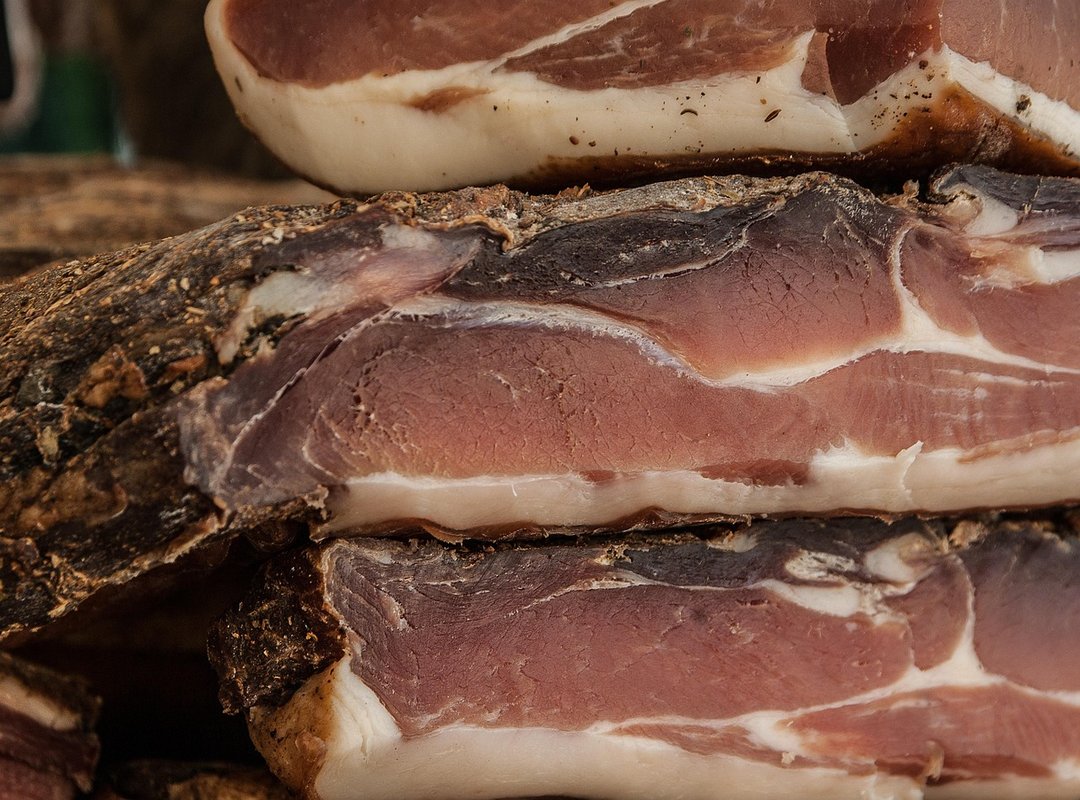
But as the world speeds up with fast food and instant meals, holding onto traditional cooking isn’t easy. Let’s talk about the elephant in the kitchen. Modern times.
Traditional techniques often get sidelined, making room for quick and easy over slow and artisanal. There’s pressure to ditch the long cooking methods for something faster. And yet, food influences culture in deep ways.
It’s like how you can’t really know a place until you taste its food. A lot of cultural understanding comes through taste, like recognizing how food’s role in understanding culture offers takeaways into a community’s identity.
Thankfully, movements are popping up to defend our culinary past. Take local food festivals dedicated to time-honored recipes or community classes teaching traditional methods to a new generation. They’re revitalizing interest and ensuring these flavors don’t fade into oblivion.
Those tiny bastions of tradition are trying to make a stand, even if it’s just a small stall at the farmers’ market. So let’s celebrate these efforts and maybe pick up a recipe card or two along the way.
Taste the World: Cooking for Cultural Connection
Cooking is more than just eating. It’s a window into different cultures. How does food influence culture?
You can find out by diving into traditional recipes and ingredients. Start with something simple: pick a country you’re curious about and cook a classic dish from there. It’s like traveling without leaving your kitchen.
Don’t just follow the recipe. Integrate traditional cooking methods (like) using a mortar and pestle instead of a food processor. It’s more work, sure, but it brings authenticity to the meal.
You’ll appreciate the flavors more when you’ve put in the effort. Plus, it’s a great workout for your arms (who needs the gym?).
Explore local markets to find authentic ingredients. They’re often fresher and cheaper. If you’re in the U.S., you might find a great Asian market or a Latin store nearby.
You’ll discover new spices and vegetables you never knew existed.
Want more than just cooking? Attend local cultural culinary events. You’ll meet people who share your interest and might have tips or stories about the dish you’re making.
It’s a hands-on way to understand food influences culture. And who knows? You might just make a new friend over a shared plate.
Savoring Every Bite
Culinary diversity shapes who we are. When we explore different foods, we embrace the essence of cultures. Understanding how food influences culture is key.
It keeps traditions alive and connects us.
I encourage you to dive into new recipes, visit local ethnic markets, or join community cooking classes. Celebrate the flavors that different cuisines offer.
Your taste buds deserve the adventure. Don’t just eat; engage with the stories behind the dishes. This isn’t just about food; it’s about appreciation and respect.
Start today. Try something new and let your palate lead the way. Your next meal could change everything.
 Blyxara Dwell is a dedicated specialist in the technical artistry of cheese production and curated gourmet experiences. With a deep focus on the meticulous process of artisan cheese crafting, Dwell explores the chemical and sensory evolution of Gouda from vat to table. Through insightful guides on gourmet cooking techniques and flavor pairing, Blyxara provides the essential knowledge needed to appreciate the sophisticated heritage and evolving trends within the artisan community.