
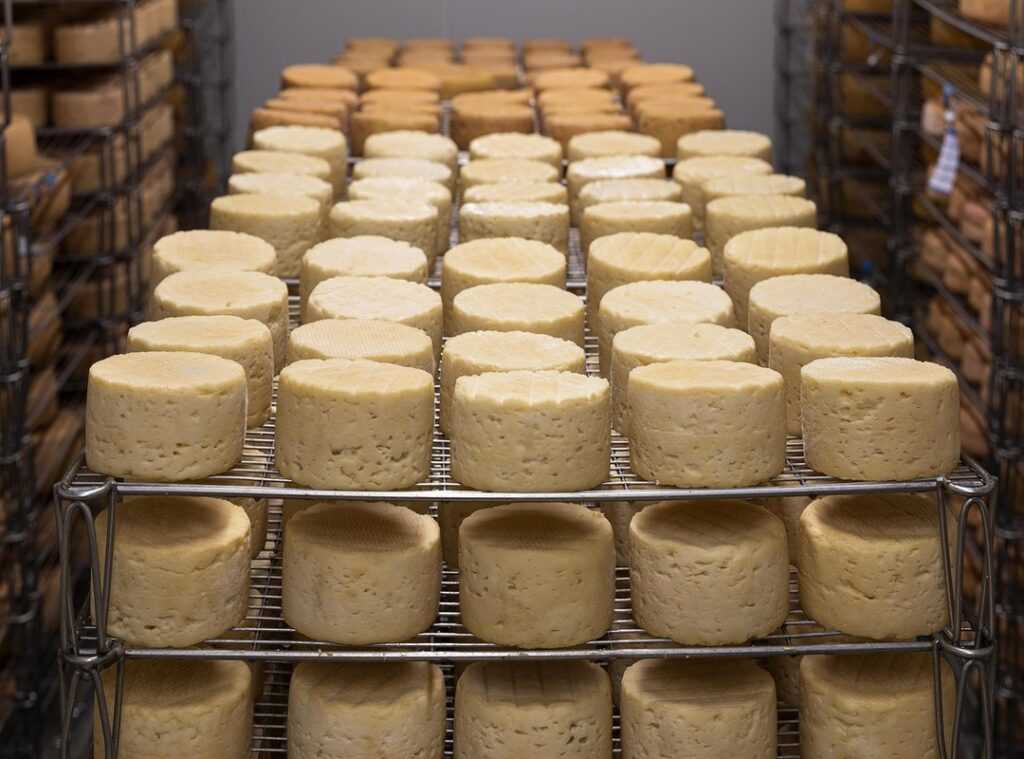
Gouda cheese has a special place in many hearts. But how many really know what goes into making it? The truth is, most people appreciate Gouda but are clueless about the detailed, traditional process behind its unique flavor and texture.
I’m here to change that. This guide draws from a deep appreciation for artisan cheese crafting and a solid understanding of time-honored techniques. You can trust that what I share is rooted in a rich history and the meticulous craft involved in creating truly classic Gouda.
We’ll break down traditional gouda crafting into simple, easy-to-understand steps. Expect an educational journey that reveals the secrets of this beloved cheese.
By the end, you’ll grasp the art of Gouda production but also feel empowered to appreciate its complexity. Let’s dive into the world of Gouda together. It’s time to demystify this culinary gem.
Classic Gouda: A Taste of Tradition
Think of Gouda and you’re immediately transported to the Netherlands. It’s not just cheese; it’s heritage. Traditional Gouda crafting reflects centuries of Dutch culture, with its semi-hard texture and rich, creamy mouthfeel. The flavor?
Sweet, nutty, and sometimes even caramel-like. Ever tasted aged Gouda? It’s a whole different beast (firm,) intense, and crystalline.
Young Gouda, on the other hand, is mild and springy. Age transforms it, deepening its taste and earning it that “classic” status.
Let’s talk shape. Gouda’s wheel is iconic, with a rind that’s often waxed or left natural, bearing a golden-yellow hue. There’s something about slicing into that wheel that feels ceremonial, isn’t there?
Maybe it’s the anticipation of the flavors inside.
Here’s a pro tip: If you’re chasing that perfect cheese texture secret, it’s all about the balance of age and ingredients. Gouda isn’t just a cheese; it’s a story. A narrative of tradition, craft, and taste that has stood the test of time.
And if you’re ever wandering through Providence, Rhode Island, check out the local shops. You might stumble upon a wheel that takes you straight to a Dutch village.
Important Ingredients: Crafting Classic Gouda
Let’s talk about whole cow’s milk. It’s the main player in traditional Gouda crafting. The fat content matters (a) lot.
More fat means richer flavor. Freshness? Non-negotiable.
You want the freshest milk possible for the best results. Now, raw vs. pasteurized? Traditionally, raw milk is used, but pasteurized works if you’re cautious about safety.
Starter cultures, or mesophilic bacteria, play a big role too. They kick off the fermentation process and build that complex flavor profile you crave. Without these cultures, your cheese is just (well,) milk.
Rennet comes next. This is where things get interesting. You can use animal or vegetarian rennet to coagulate milk into curds.
The choice is yours, but each offers a slightly different texture and flavor.
Don’t forget about salt. It’s key for more than taste. It preserves the cheese and helps form that iconic Gouda rind.
Now, let’s get into equipment. A large cheese vat or pot, a thermometer, and a long cheese knife are your best friends. You’ll also need molds, a cheese press, cheesecloth, and a brining tank.
These tools make the whole process possible. Without them, you’re just daydreaming about cheese.
From Liquid to Solid: The Alchemy of Curd Formation
Let’s dive into the magical world of traditional gouda crafting! First, you need to warm the milk. Not too hot, not too cold.
Just right. It’s not just about temperature, though. The starter cultures are key.
They kick-start the whole fermentation process, giving life to your curds.
Adding rennet is the next big step. It’s like casting a spell over your milk, transforming it into a solid mass. Ever wondered how to know when it’s done?
Check for a “clean break.” That’s when the curd splits cleanly, not leaving a mess.
Once you’ve got your curd, it’s time to cut it into small, uniform pieces (think hazelnut size). Why? Because size matters here.
Smaller pieces release more moisture, which is key to the texture of your cheese.
Now comes the unique part (washing) the curds. Drain the whey and add warm water. This step is what makes Gouda sweet and less acidic.
It’s a hallmark of classic Gouda. Pure alchemy.
And don’t forget, having the right tools for cheese makers can make all the difference in this delicate process. With each step, you’re not just making cheese; you’re crafting a legacy.
Crafting the Perfect Gouda: A Wheel of Flavor
Let’s talk about shaping the perfect Gouda. You start by transferring those washed curds into molds. Seems simple, right?

But it’s key to get an even distribution (otherwise you’ll end up with a lopsided mess). Now, on to pressing. It’s not just about applying pressure but starting light and gradually building up.
Why bother? Pressing expels whey and forms a solid wheel. Without it, you’d just have a limp blob.
Turning the cheese during pressing is another key step. It ensures your wheel doesn’t end up looking like a deflated tire. And who wants that?
Next comes brining. It’s more than a dunk in saltwater. You prepare the solution, immerse the cheese, and let it sit (a) process dictated by the size of the wheel.
This step is important for forming the rind and preserving flavor. Speaking of flavor, brining contributes to that iconic Gouda taste. If you’re curious about more detailed details of traditional gouda crafting, it’s worth exploring further.
Crafting Gouda is a journey. It’s about patience and precision. But the result.
A perfectly crafted wheel. Is worth every moment spent.
The Patience of Perfection: Aging and Flavor Development
Ever tasted a classic Gouda that’s hit all the right notes? The heart of traditional gouda crafting is in the aging. Good cheese needs a home, and the ideal aging environment for classic Gouda is a consistent 50-55°F with humidity at 85%.
It sounds technical, but these are the sweet spots for promoting the right bacterial growth and slowing unwanted molds.
And don’t think you can just leave it there and forget. Turning the cheese regularly ensures moisture doesn’t gather in one spot, which is key. Imagine neglecting your Gouda and ending up with a soggy bottom.
Rind care is more art than science. You can wash or dry-brush the rind, but either way, it keeps the bad molds away while inviting the beneficial flora to work its magic. It’s a bit like taming a garden, but for cheese.
Aging isn’t just about sitting around either; it’s an active transformation. Proteins and fats break down, gifting us with flavors so complex they’re practically orchestral. The aroma evolves, and you get that firm yet creamy texture we crave.
It’s not a quick process, but exquisite things rarely are. Gouda’s journey from bland to grand is worth every moment.
The Joy of Crafting Gouda
You came here to understand traditional gouda crafting. I hope I’ve shown you that the complexity of artisan cheese making isn’t as daunting as it seems.
By following time-honored methods, you can create rich flavors and textures that define classic Gouda.
So why not dive deeper into this world? Appreciate artisan cheeses more or try making a simpler cheese yourself.
If crafting feels overwhelming, seek out traditionally made Gouda. Savor the results of a patient craft.
Take that next step. Enjoy the process and the flavors that come with it. You won’t regret it.
 Wynovox Pell serves as a primary architect of flavor at Zavagouda, focusing on the intersection of zesty trends and modern gourmet techniques. Pell’s work centers on deconstructing complex Gouda flavor profiles to make high-end artisan cheese crafting accessible to the contemporary kitchen. By experimental layering of bold spices with traditional textures, Wynovox ensures that the culinary pulse of the brand remains at the forefront of the gourmet world