
Creating meals that are both flavorful and nourishing can feel like a struggle. Many of us hit a wall with conventional ingredients.
This article is here to change that. I want to show you how to craft exquisite meals entirely from plants. We’re not just talking about basic vegetarian or vegan dishes.
We’re moving into a world of culinary delight.
I’ve explored diverse culinary traditions and learned how to build complex flavors from natural sources. Trust me, it’s possible to create satisfying, lively dishes without animal products.
You’ll gain practical knowledge and inspiration to transform your cooking with plant-based cuisines.
We’ll dive into fundamental principles that help your creativity in the kitchen.
Forget simple recipes. I’ll share takeaways that make cooking an exciting adventure. By the end, you’ll be ready to impress yourself and anyone you cook for.
Let’s open up the culinary potential of plant-derived dishes together.
Plant-Derived Dishes: More Than Just a Trend
When I talk about “plant-derived dishes,” I’m not just tossing around buzzwords. These dishes come from the ground (literally). They’re not just a branch of vegan or vegetarian diets.
They’re a celebration of ingredients that are directly sourced and minimally processed. Think fruits, vegetables, grains, legumes, nuts, seeds, herbs, and spices. They each bring a unique natural essence to the table.
Why do they matter? Let’s get real. Plant-based cuisines offer more than just another checkbox on a menu.
They’re nutrient-dense, packed with fiber, and kind to the planet. Eating them means a lower environmental footprint. That’s a win-win.
But let’s not forget the most important part: the flavors. These dishes aren’t just “alternatives.” They’re a full-on gourmet experience. Bold textures, lively aromas, and flavors that pop.
Trying plant-derived cooking is like unlocking a new level in a game. It’s not just about health or sustainability. It’s about expanding your culinary horizons.
You get to explore new tastes and combinations. Does it mean giving up meat forever? Not necessarily.
But it does mean recognizing the value and creativity in what comes from the earth.
Flavorful Foundations: Building a Plant-Powered Pantry
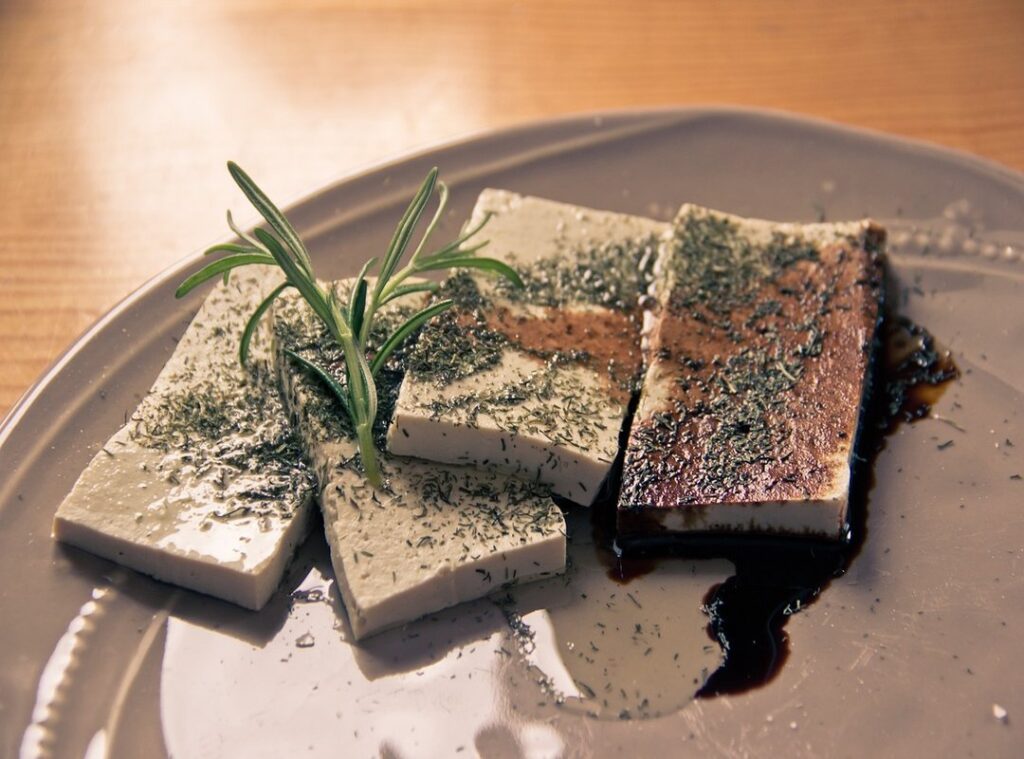
Stocking a plant-based pantry is like prepping a canvas. You need quality ingredients to create something memorable. Let’s talk about key proteins: lentils, chickpeas, and tofu.
They’re staples in plant-based cuisines, and they pack a punch. Ever tried tempeh or edamame? They add depth and variety.
Nuts and seeds like cashews and almonds? They bring creaminess and crunch.
But flavor is king, right? Fresh herbs like basil and cilantro can transform a dish. And aromatic spices?
Cumin and smoked paprika are magic. Nutritional yeast is a must for that cheesy note. Want to explore more?
Check out exploring global spice traditions. It’s a treasure trove of inspiration.
Umami is the secret weapon. Mushrooms, miso paste, and tamari sauce are your best friends. Seaweed like nori adds that oceanic touch.
And don’t forget vinegars and citrus. They brighten everything.
Texture is the unsung hero. Whole grains like quinoa and farro offer heartiness. Root veggies like sweet potatoes provide sweetness and body.
Nuts seal the deal with extra crunch. This diverse lineup turns simple meals into something special. So, what’s stopping you?
Dive in and start creating!
Flavor Hack: Raise Plant-Based Cuisines
Roasting vegetables? It’s a game-changer. High heat caramelizes them, drawing out a natural sweetness that transforms humble carrots or broccoli into a savory treat.
No wonder roasted veggies are a staple on any serious plant-based menu. But what about sautéing or braising? These techniques layer flavors with aromatics like onions and garlic, creating the backbone of unforgettable sauces and stews.
Fermentation is another trick up my sleeve. A quick pickle can add a tangy contrast, while sauerkraut or kimchi introduce complex notes that raise a dish. Blend these with textures (think toasted nuts or crispy onions) and you’ll get that satisfying crunch juxtaposed with creamy elements like cashew cream.
It’s not just about taste; it’s about an entire eating experience.
Ever tried making your own spice blend? Toast and grind whole spices for a custom flavor profile in curries or rubs. This small step makes a huge difference in plant-based cuisines.
Trust me, it’s worth the effort. Want to see these techniques in action? Check out the 33 best plant-based diet recipes.
They showcase just how versatile and delicious plant-based cooking can be.
Everyday Plant-Derived Dishes: Simple to Sublime
Plant-based cuisines can transform your meals from mundane to magnificent. Start your day with a lively fruit and grain bowl. It’s not just colorful but packed with nutrients.
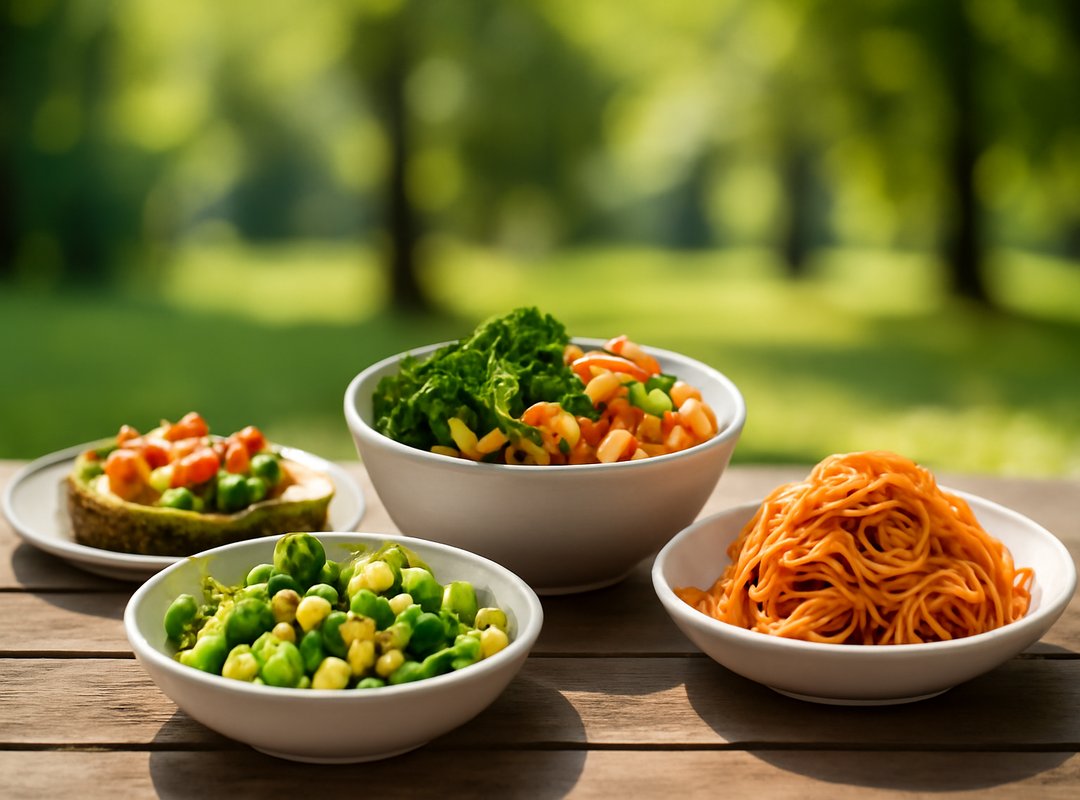
Ever tried a tofu scramble? It’s a game-changer. Pair it with seasonal veggies, and you’re set.
Overnight oats topped with nuts and berries? Yes, please.
For lunch, I recommend nutrient-dense grain bowls. Roasted veggies and a tahini dressing make them irresistible. Or how about wraps with hummus and fresh produce?
They’re as satisfying as they sound. Lentil and bean salads also pack a punch and keep you full.
Dinner’s where you can get creative. Think lentil curries bursting with flavor or roasted veggie platters drizzled with herb dressings. Pasta with a mushroom ragu or creamy tomato sauce can be just as indulgent as traditional versions.
Want to replicate classic dishes? Use mushrooms for that “meaty” texture. Nutritional yeast can give you a “cheesy” kick without dairy.
Experiment with seasonal produce to keep things exciting.
Curious about how food influences culture worldwide? Check out this link. It’s fascinating how plant-based trends are shaping global cuisines.
The Art of Presentation: Transforming Plant-Based Dining
Ever noticed how we eat with our eyes first? Presentation is key, especially in plant-based cuisines. Lively colors and thoughtful arrangements can make a dish irresistible.
Use contrasting colors. A pop of red from cherry tomatoes or a sprinkle of bright herbs can raise any plate.
Texture matters too. Think about it. Who wants a mushy meal?
Balance is key. Combine soft avocado with crunchy nuts or chewy grains. It’s not just about taste; it’s about the whole experience.
Now, let’s talk flavor pairing. Sweetness with acidity or earthy tones with citrus? These combinations make your taste buds dance.
A dash of lemon on roasted vegetables or a hint of maple syrup on spicy tofu can transform a dish.
And don’t forget beverages. Infused waters or herbal teas offer refreshing options. For a more strong pairing, plant-friendly wines or craft beers can boost the flavors.
Choose wisely.
Cooking isn’t just about feeding yourself. It’s a complete sensory experience. Every element, from sight to taste, should engage you.
Embrace it. Enjoy it. Let your meals be more than sustenance.
They should be a celebration of flavors and creativity.
Dive into Plant-Based Flavor
You’ve got what you need to dive into the world of plant-based cuisines. You might have thought eating this way was boring or bland. But that’s not true.
By using fresh ingredients and mastering a few techniques, you can create lively, mouth-watering dishes.
So why wait? Start experimenting with new ingredients and flavors today. Share your culinary creations with others.
The satisfaction of cooking with nature’s bounty is waiting for you. Embrace it. Your taste buds will thank you.
Call a friend, grab some veggies, and get cooking. Let’s make every meal an adventure.
 Wynovox Pell serves as a primary architect of flavor at Zavagouda, focusing on the intersection of zesty trends and modern gourmet techniques. Pell’s work centers on deconstructing complex Gouda flavor profiles to make high-end artisan cheese crafting accessible to the contemporary kitchen. By experimental layering of bold spices with traditional textures, Wynovox ensures that the culinary pulse of the brand remains at the forefront of the gourmet world