
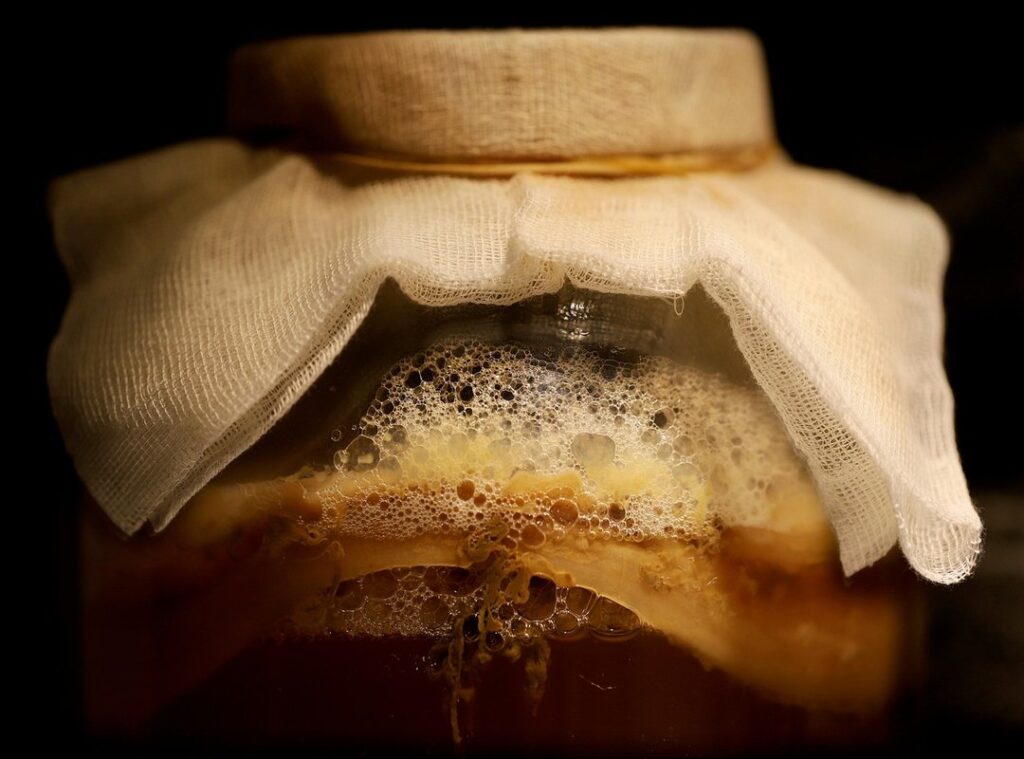
Many home cooks feel intimidated by fermentation. They miss out on incredible flavors and health benefits.
I get it. Fermentation can seem complex, but it’s a game changer in the kitchen.
With the right guidance, you can raise your cooking like never before. This guide is built on my journey through flavor profiles and artisan techniques.
I’ve explored how fermentation culinary trend enhances everything from bread to pickles. This isn’t just about food; it’s about transforming your kitchen into a hub of creativity and nourishment.
In this article, I will demystify fermentation. I’ll break it down into clear definitions, practical how-to steps, and inspiring examples.
You’ll learn how to integrate these ancient practices into your modern cooking. You’ll discover the magic of fermentation and how it can amplify your culinary skills.
So, are you ready to dive in? Let’s open up the potential of fermentation together. You’ll be amazed at what you can create.
Fermentation: Unveiling the Culinary Alchemy
Ever wonder what magic turns cabbage into sauerkraut or grape juice into wine? That’s fermentation. It’s an important culinary transformation where tiny microbes (bacteria, yeast, mold) go to work, converting carbohydrates into acids, gases, or alcohol.
Picture them as miniature chefs, breaking down and recreating food elements right under our noses. And no, it’s not as complicated as it sounds.
Let’s break it down a bit. Lactic acid fermentation is responsible for tangy delights like yogurt and kimchi. Then there’s acetic acid fermentation, creating that zingy vinegar you dash on your fish and chips.
And who can forget alcoholic fermentation, fueling our bread and brews? Each type adds its own twist to the mix.
This process isn’t new. It’s ancient! People have been fermenting foods as long as history itself, using it to preserve ingredients and boost flavors.
This makes it a cornerstone of countless beloved foods worldwide.
So, where does this leave us? Right in the middle of a fermentation culinary trend. It’s blending the old with the new, just like how technology is changing cooking.
Why Ferment? The Flavor Revolution
Fermentation is magic in the kitchen. Why? Because it transforms food into something extraordinary.
The flavors you get are unmatched. Think about the depth of a well-aged cheese (Gouda, anyone?) or the tang of sourdough. You can’t replicate that complexity with anything else.
Fermentation doesn’t just boost flavor. It ups the nutrition game too. The process increases the bioavailability of nutrients and even synthesizes new vitamins.
Who knew B vitamins could be so exciting? Plus, you get the bonus of probiotics. Your gut will thank you.
Preserving food naturally is another reason to jump on the fermentation culinary trend. The acidic environment created during fermentation extends the shelf life without artificial additives. It’s like nature’s way of saying, “I’ve got you covered.” Historically, this was key.
Today, it’s a practical, healthier choice.
Let’s talk digestibility. Fermentation breaks down complex compounds, making foods easier to digest for many. Ever wondered why fermented foods feel lighter?
That’s the microbes doing their thing.
Incorporating fermentation elevates everyday cooking into gourmet territory. When you add these techniques to your repertoire, you’re not just cooking. You’re crafting something special.
It’s a culinary adventure waiting to happen. So, why not give it a try? You might just find yourself hooked on this age-old practice.
Fermentation Tools: Building Your Home Success
I’m all about the fermentation culinary trend, so setting up a home fermentation station should feel like second nature. Start with the basics: Mason jars, airlocks, and fermentation weights. Get crocks too, and the right lids.
Each tool serves a purpose. Jars hold your creations, airlocks let gases escape, and weights keep veggies submerged (important to avoid mold). Cleanliness is non-negotiable.
Sterilize everything using hot water and white vinegar. It’s simple, really, but makes a world of difference.
Let’s talk brining. Two methods here: dry salting (best for sauerkraut and kimchi) and wet brining (ideal for pickles and hot sauces). Measure your salt-to-vegetable ratios carefully.
Too little salt, and you risk spoilage. Too much? You kill the flavor.
Temperature control is another layer of art. Most fermented foods thrive between 65-75 degrees Fahrenheit. Colder temps slow the process, warmer ones speed it up.
Flavor evolves with temperature, so experiment.
Finally, safety first. Learn to spot differences between a healthy ferment and spoilage. Kahm yeast is harmless, but mold’s a no-go.
Confidence grows with practice. You’ll get there.
Fermentation Fun: Beyond Sauerkraut
I never thought I’d be the type to geek out on fermentation, but here I am. It’s more than just sauerkraut, and honestly, why limit yourself? Lacto-fermented vegetables were my gateway.
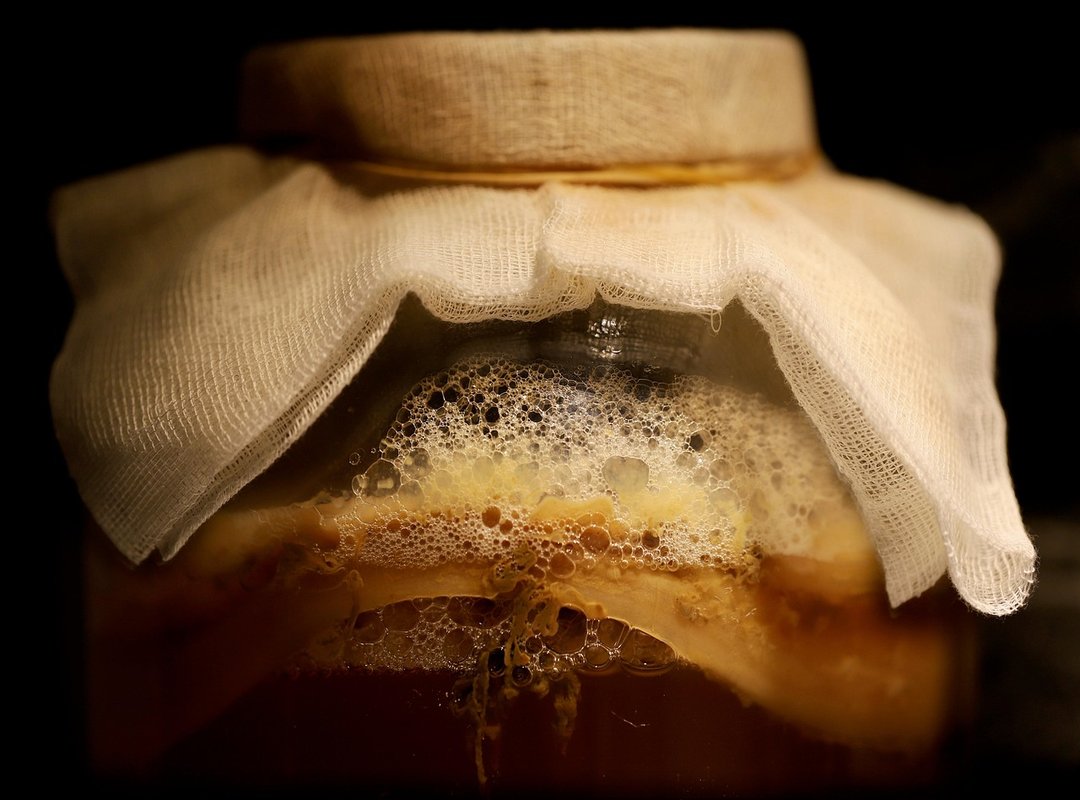
You take some veggies like carrots or cucumbers, toss them in brine, and let nature do its thing. Basic ratio? Around 2% salt to water (trust me, it’s easy).
You let it sit for a week or two, and bam! You’ve got tangy, crunchy goodness.
The taste is complex, nothing like store-bought. Experiment with different peppers for unique flavors. Ever tried fermenting fruit?
Now, let’s talk hot sauce. Fermenting chili peppers transforms them. You mix peppers with garlic and let them ferment for a couple of weeks.
It’s a wild ride. Fruit vinegars are my latest obsession. Mix fruit, sugar, and water, let it sit (pro tip: give it a shake every day) and in a few weeks, you’ve got something perfect for dressings.
Sourdough starters? They seem daunting, but they’re not. Mix flour and water, let it catch wild yeast.
It takes patience, but the results… oh man, homemade bread or pancakes are unbeatable.
Don’t forget cultured dairy. Making yogurt or kefir is a great introduction. It’s practically a part of the whole artisanal cheese crafting trend.
Trust me, you start with yogurt, and soon you’re dreaming of making Gouda. These projects are the heart of the fermentation culinary trend. Dive in, experiment with spices and herbs, and you’ll never look at your kitchen the same way.
Troubleshooting & Advanced Tips: Mastering Fermentation
Ever wondered why your latest ferment smells funky? You’re not alone. It happens to the best of us.
First, check if it’s that harmless kahm yeast or something nastier like mold. Cloudy brine? It’s usually harmless, but always trust your gut (well, your nose actually).
Temperature matters, too. Your cozy winter home might not be the best for fermentation, so adapt. Seasonal changes can throw off your groove.
Keep an eye on your environment and tweak as needed. Pro tip: Temperature swings can totally mess with your ferment.
Ingredient quality is key. Use fresh, organic produce. Non-chlorinated water is key (chlorine kills bacteria, not great for ferments).
Experiment with flavors. Different salts, spices, and vegetables make it exciting. Create your own flavor profiles.
It’s part of the new era of fusion cuisine.
Finally, how do you know when it’s done? Aging is an art. Store them right to extend shelf life.
Embrace failures as learning steps. Fermentation culinary trend is all about iteration. Every attempt makes you better, and that’s what the art demands.
Start Your Fermentation Adventure Today
You’ve tackled the intimidation of fermentation. This guide has turned it into an exciting culinary adventure. You now understand that fermentation is a natural process.
With simple tools and some knowledge, you can open up amazing flavors and boost nutrition.
It’s time to take action. Pick one simple project to start with. Maybe try a batch of lacto-fermented carrots or a basic sourdough starter.
Explore new recipes. Experiment with different ingredients. Share your fermentation successes.
Connect with others who are diving into this fermentation culinary trend.
Your culinary journey awaits. Don’t let fear hold you back. Dive in and enjoy the benefits of fermentation.
Get started today. You won’t regret it.
 Wynovox Pell serves as a primary architect of flavor at Zavagouda, focusing on the intersection of zesty trends and modern gourmet techniques. Pell’s work centers on deconstructing complex Gouda flavor profiles to make high-end artisan cheese crafting accessible to the contemporary kitchen. By experimental layering of bold spices with traditional textures, Wynovox ensures that the culinary pulse of the brand remains at the forefront of the gourmet world