
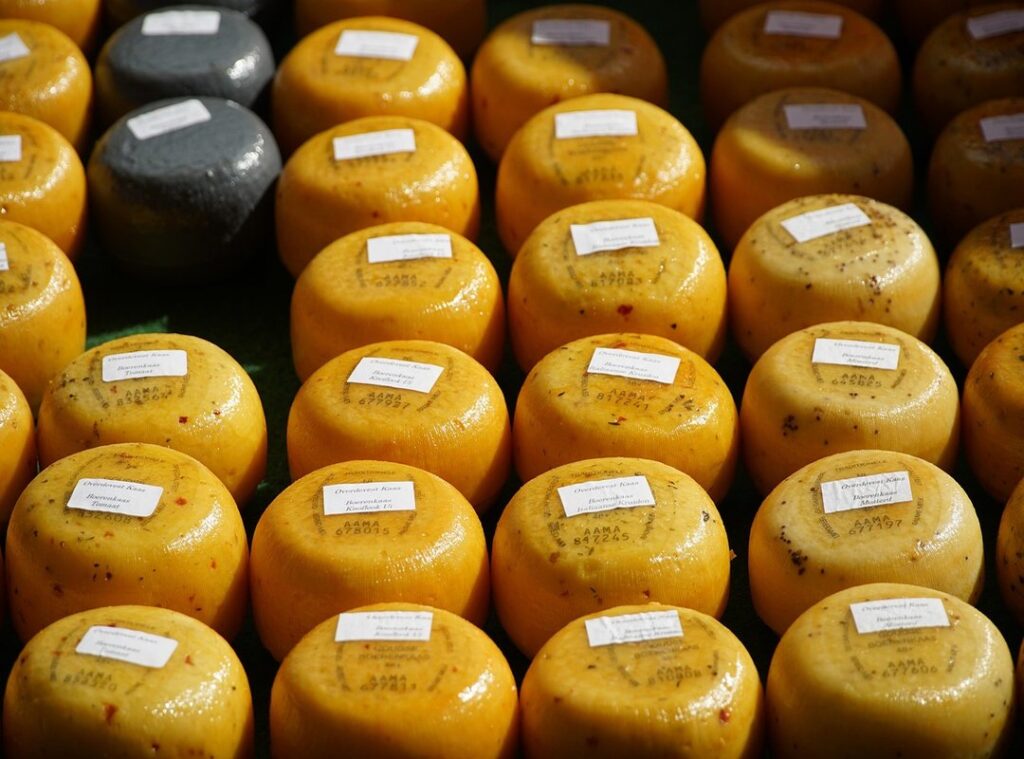
Cheese making is a blend of magic and tradition. Yet many aspiring cheesemakers feel lost. They struggle with the overwhelming complexity of modern methods and miss out on the beauty of traditional cheese techniques.
I get it. I’ve been there, too.
This guide distills decades of hands-on experience in artisan cheese crafting. I’ve poured over historical texts and tested countless recipes. I want to share that wisdom with you.
You deserve to know the foundational techniques that form the backbone of great cheeses.
I promise you a clear, step-by-step exploration of classic methods that have stood the test of time. You’ll learn how to create exceptional cheeses while connecting with centuries of craftsmanship.
By the end, you’ll feel more confident but also truly understand the art of cheese making. to this journey together.
Cheese-Making Basics: Unlocking Time-Honored Traditions
Classic cheese-making is all about natural ingredients and minimal processing. I’m talking real milk (cow, goat, sheep), starter cultures, rennet, and salt. These are the essentials.
They transform milk into cheese, each playing a big role.
Now, let’s get into the milk. Raw or pasteurized? It’s a big decision.
Raw milk brings intense flavors but comes with risks. Pasteurized milk is safer but can dull the taste. Fat content matters too.
More fat means richer cheese. Ever tried a creamy Camembert? Thank the fat for that.
Starter cultures and rennet are the magic workers. They kickstart the process, turning liquid into a solid block of deliciousness. Salt?
It’s more than a flavor enhancer. It controls moisture, texture, and even the ripening process.
You don’t need fancy tools for traditional cheese techniques. A pot, a thermometer, and some cheesecloth get you far. It’s about simplicity and skill (and maybe a little patience).
Looking ahead, the future of cheese-making might see a revival of these age-old methods. People crave authenticity. And really, who needs high-tech gadgets when the basics work so well?
Cheese-making is an art, not a science experiment.
From Milk to Curd: The Magic of Coagulation
Cheese making is an art, folks. When it comes to traditional cheese techniques, the real magic happens during coagulation. We’ve got two primary methods: enzymatic and acidic.
Enzymatic uses rennet (a solid enzyme) while acidic relies on lactic acid bacteria.
Now, picking the right rennet can be tricky. You’ve got animal, microbial, and vegetable options. Each has its place.
For a classic gouda, I’d go with animal rennet. It gives a rich texture. But temperature and dosage are key here.
Get it wrong, and you’ll have cheese soup instead of curd.
Starter cultures are the unsung heroes. Mesophilic cultures work in moderate temperatures, while thermophilic thrive in heat. They acidify the milk, setting the stage for flavor.
It’s like seasoning your soup. More than just taste, they help firm up the curd.
Achieving a ‘clean break’ is the goal. This is where patience pays off. Watch your curd (like a hawk).
It should break cleanly when lifted with a spoon. If it’s too soft, wait. Time’s your friend here.
For more takeaways on cheese, check out Mastering Art Of Cheese Aging. It’s a game-changer.
Mastering Curd: Cut, Stir, Heat
When it comes to traditional cheese techniques, cutting the curd is where it all begins. You cut the curd to release whey, that watery part of milk. Curious why it matters?
The size of your curd cuts controls moisture. Smaller cuts make drier cheese. Bigger cuts?
They hold more water.
This isn’t just mindless stirring. You’re setting up the texture of your cheese, whether it’s a creamy Brie or a firm Cheddar.
Stirring the curd is a game of patience. It keeps the curd from matting together, which you don’t want. You also stir to encourage whey expulsion and make sure even heating.
Temperature is your best friend with curd texture. Heating activates bacterial activity. This affects curd elasticity and helps squeeze out more whey.
It’s like magic, but real.
All these steps lay the groundwork for the cheese’s future texture. So whether you’re aiming for a soft, fresh cheese or a hard, aged block, these steps are the foundation. Want to see how this impacts innovations cheese flavors textures?
There’s a whole world of flavor tied to these basics.
Get your hands in there and feel the cheese change. The transformation is pure science, and a bit of art.
Pressing and Salting: Shaping Cheese, One Block at a Time
Pressing cheese isn’t just for show. It’s about expelling that last bit of whey, consolidating the curds, and giving the cheese its distinctive shape and density. Whether you’re doing a simple hand press for fresh cheese or using a specialized press for something harder, it’s all about pressure.

And timing. You can’t rush perfection, right?
Salting? Now that’s a true art. There are methods like dry salting, where you rub salt directly onto the cheese (think giving it a spa treatment), and brining, which is basically dunking it into a salty bath.
Salt does more than just boost flavor; it regulates moisture, inhibits unwanted bacteria, and helps form that all-important rind. You ever notice how cheese can be both soft and firm, depending on your technique?
In natural cheese making using ancestral methods, these traditional cheese techniques are revered. Why? Because they work.
They bring out flavors like nothing else. You can’t beat tradition. Have you ever tried pressing and salting at home?
It’s worth it, trust me.
The Cheese Chronicles: Aging with Attitude
Ever wonder how cheese turns from fresh to phenomenal? It’s all about affinage. This aging technique is a magician’s trick, transforming cheese into a symphony of flavors, aromas, and textures.
You think cheddar is just cheddar? Think again. During aging, the cheese absorbs the magic of its environment, developing unique character.
It’s like watching a boring sitcom blossom into a classic drama.
Temperature, humidity, and airflow are the holy trinity here, each varying based on the cheese type. For instance, a camembert demands a damp, cool setting while a parmesan needs a drier space. Turning and washing rinds with brine or booze might sound odd, but these traditional cheese techniques encourage molds to do their fine work.
So how do you hack this at home without a fancy cave? Consistency is key. Keep your space at a steady temperature and humidity, and don’t skimp on observation.
Sure, it might sound like babysitting, but the payoff? Oh, it’s worth it. Imagine the bragging rights when you serve your friends a perfectly aged homemade cheese.
They’ll be begging for your secrets (just like when everyone wanted Walter White’s blue stuff, but less illegal).
Embrace Your Cheese Crafting Adventure
Your search for understanding traditional cheese techniques is complete. You’ve faced the intimidation of cheese making and come out on the other side. These classic methods work because they rely on nature, quality ingredients, and time.
That combination delivers unmatched flavor and uniqueness.
Now it’s your turn. Apply these foundational techniques. Experiment with different milks and cultures.
Start crafting your own artisan cheese. Don’t let fear hold you back. Dive into this rewarding journey.
You’re capable of amazing things in your kitchen. Ready to get started? Grab your ingredients and let’s make some cheese.
 Wynovox Pell serves as a primary architect of flavor at Zavagouda, focusing on the intersection of zesty trends and modern gourmet techniques. Pell’s work centers on deconstructing complex Gouda flavor profiles to make high-end artisan cheese crafting accessible to the contemporary kitchen. By experimental layering of bold spices with traditional textures, Wynovox ensures that the culinary pulse of the brand remains at the forefront of the gourmet world