
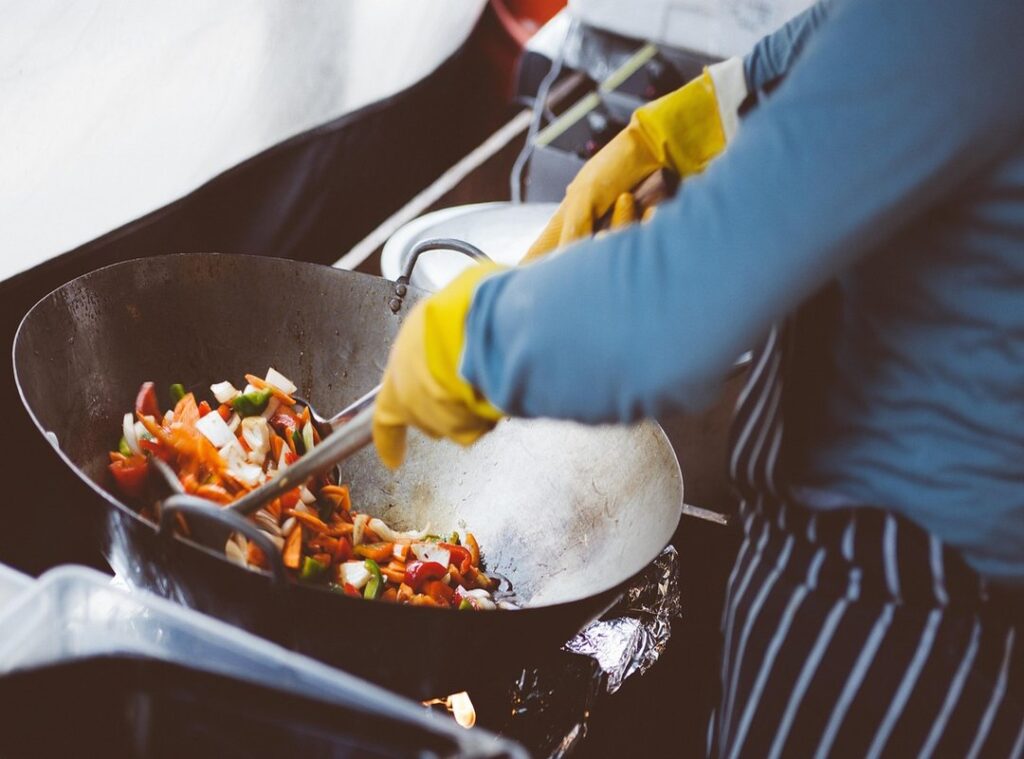
Have you ever pulled a dish off the stove only to find it unevenly cooked or totally bland? Frustrating, right? I get it.
This article aims to demystify various sauté cooking techniques to help you turn kitchen woes into culinary wins. I know gourmet cooking techniques inside and out, and I’m here to share practical, proven advice.
You’ll learn clear definitions, step-by-step guides, and takeaways to master these methods. Want to achieve restaurant-quality results at home? You can.
Sautéing isn’t rocket science, but it does require some know-how. I’ll break it down in a relaxed, down-to-earth way that makes complex techniques simple and accessible.
By the end, you’ll feel more confident in your cooking skills. Say goodbye to bland meals and hello to flavorful dishes that impress. Let’s get started on unlocking the secrets of sautéing!
What Exactly is Sautéing? Understanding the Basics
Sautéing is like the action scene in your favorite movie. Quick, intense, and over before you know it. It involves cooking food rapidly over high heat with a small amount of fat.
You’ve got to keep things moving (think of it as a dance) to get that perfect browning and flavor. Ever heard of the Maillard reaction? It’s that magical process that turns your food into something mouthwatering.
Now, why sauté? It’s all about flavor and moisture. You want your veggies crisp and your meat juicy.
Sautéing locks in those natural juices while giving a delightful crust. But don’t confuse it with pan-frying, which uses more fat and less movement. And stir-frying?
It’s a whole other beast with even higher heat and constant motion. You need a wok for that one.
The best candidates for sautéing? Small, uniformly cut pieces. They cook fast and evenly.
Once you nail these sauté cooking techniques, you’re on your way to culinary greatness. So next time you’re in the kitchen, channel your inner chef and give sautéing a whirl.
Sauté Like a Pro: Tools & Techniques
When it comes to sauté cooking techniques, the right tools make all the difference. You need a heavy-bottomed pan, like stainless steel or cast iron. Why?
Because they distribute heat evenly. Non-stick pans just don’t cut it. You want that perfect browning, not a sad, steamed mess.
And don’t even get me started on fats. Grab oils with a high smoke point like grapeseed, canola, or avocado. They handle the heat without burning.
Butter or olive oil? Use them for lower heat cooking, when you want that specific flavor profile.
Preheating your pan is a must. Get it hot before adding oil. Let the oil heat until it’s shimmering.
But not smoking. Smoking oil is a kitchen disaster waiting to happen.
Food prep matters too. Cut your ingredients uniformly. Pat them dry to make sure browning and avoid steaming.
Never overcrowd the pan. It’s like trying to fit a crowd into a tiny elevator.
Before you start, set up your mise en place. It’s your best friend for smooth cooking. Speaking of best friends, check out bread making techniques perfect loaf for more culinary inspiration. Get it right, and your sauté game will level up.
Mastering the Classic Sauté: A Step-by-Step Guide
Sautéing is like a dance. It’s all about timing and rhythm. You start by prepping: make sure your food is dry and evenly cut.
Ever tried to sauté wet veggies? They steam instead of brown. Next, heat your pan over medium-high to high.
You want it hot enough to make water droplets sizzle away in seconds.
Let it sit. Resist the urge to stir immediately. Give it a minute or two to brown undisturbed.
Add a small amount of oil with a high smoke point. Then, place your food in a single layer. This is key (overcrowding) is the enemy of perfect browning.
It’s like letting your favorite song build up before the chorus.
Once you see those edges turning golden, it’s time to agitate. Use a toss or stir motion. (Sauté actually means “to jump” in French.) Keep the heat steady. If it’s too hot, you’ll burn your food.
Too low, and you’ll stew it. Listen to your food. It will tell you what it needs.
Cooking times vary. Vegetables might take 5 (7) minutes. Shrimp, maybe 3. 4.
Chicken pieces? Around 8 (10.) As a pro tip, deglaze the pan with a splash of broth or wine. This captures all those delicious browned bits for a quick sauce.
And if you’re curious about other precision techniques, check out how Sous Vide Cooking Precision Flavor can transform your kitchen adventures.
Beyond the Basics: Sauté Secrets for Every Cook
Sub-section: The Gentle Sweat-Sauté (for aromatics)

When it comes to creating a flavorful base for your dishes, the gentle sweat-sauté is a game-changer. This technique uses a lower heat setting to soften vegetables like onions, garlic, and celery without browning them. You want them translucent and tender, not caramelized.
Start with your fat of choice, often butter or olive oil. Heat it over medium-low. Add your aromatics and stir occasionally.
Patience is key. Let them gently release their flavors.
Sub-section: High-Heat Stir-Frying (a changing sauté variant)
Now, if you’re after a quick, crisp finish, high-heat stir-frying is your go-to. This changing method leverages extreme heat and constant motion (think of it as sauté’s energetic cousin) for fast cooking. It’s perfect for Asian-inspired dishes.
Grab a wok. Use oils with a high smoke point like peanut or canola. Prep is key: marinate and cut your ingredients small.
Cook in batches and keep them moving.
Only add sauces at the end to prevent sogginess.
Sub-section: Sautéing for a Crisp Finish (e.g., potatoes, gnocchi)
Achieving a golden-brown crust while keeping the interior tender is an art. For potatoes, pre-cooking is your friend. Use clarified butter for extra crispness.
Want examples? Think crispy gnocchi or perfectly browned breakfast potatoes. They shine with this method, elevating texture and flavor.
Sautéing isn’t one-size-fits-all. Each technique has its place. For more on sautéing, check out this breakdown.
It’s all about using the right method for the dish.
Sautéing Mishaps: Fixing Common Cooking Blunders
Sautéing seems simple, right? You toss veggies in a pan and hope for the best. But soggy vegetables.
Ugh, the worst. Overcrowding the pan kills the temp and turns your crisp dreams into a steamy mess. Cook in smaller batches to let the veggies breathe and brown.
Then there’s burnt food. We’ve all cranked up the heat, thinking faster is better. Nope.
Too high heat or the wrong oil spells disaster. Adjust the flame, pick the right oil (olive oil isn’t always your friend here), and preheat like you mean it.
Food sticking? That’s a classic. You need to give it time.
Let the heat work its magic. A hot pan and enough fat are your allies. And for the love of sauté cooking techniques, let the Maillard reaction do its thing.
Uneven cooking can ruin your dish. Inconsistent sizes and lack of stirring leave you with a half-baked meal. Go for uniform cuts and keep that spoon moving.
Understanding these fixes makes you a better cook.
Sautéing Success Starts Now
You’ve got this. The path to mastering sautéing is clearer than ever. We’ve unpacked the definitions, tools, and classic methods.
You can finally leave behind that frustration of mediocre cooking. Apply these proven sauté cooking techniques and watch your dishes transform. Understanding heat, fat, and technique opens up a world of flavor.
Now, it’s your turn to practice and experiment. Don’t hesitate to try new ingredients. Grab your pan, choose your ingredients, and let the delicious sautéing begin!
This is your moment to shine in the kitchen. Get started today and raise your cooking game.
 Blyxara Dwell is a dedicated specialist in the technical artistry of cheese production and curated gourmet experiences. With a deep focus on the meticulous process of artisan cheese crafting, Dwell explores the chemical and sensory evolution of Gouda from vat to table. Through insightful guides on gourmet cooking techniques and flavor pairing, Blyxara provides the essential knowledge needed to appreciate the sophisticated heritage and evolving trends within the artisan community.