
Walking into a cheese shop can feel overwhelming. So many options and flavors to choose from. It’s exciting but also a bit daunting, right?
You love cheese, but can you really tell a Gouda from a Brie?
Most people get lost in the sea of cheese flavors textures and only know the basics. I’ve been there. That’s why I want to help.
My journey through artisan cheese crafting has taught me the beauty behind each variety.
Understanding the differences can transform your cheese experience from mundane to magnificent. I promise to demystify cheese for you. We’ll explore definitions, categories, and what makes each cheese unique.
By the end, you’ll confidently get through any cheese counter. You’ll appreciate the details that make each wheel a masterpiece. Trust me, this isn’t just about tasting cheese; it’s about savoring every bite.
Let’s dive in and explore this delicious world together.
The Foundations of Flavor: What Gives Cheese Its Unique?
Ever wonder why some cheese feels like a soft hug while others pack a punch? It’s all about the milk. Cow, goat, sheep, buffalo.
Each gives its own richness and flavor. Cow’s milk is creamier, goat’s is tangy, and sheep’s brings a buttery vibe. But let’s not forget those cultures and rennet.
They transform milk into curd, laying the flavor foundation. It’s like magic, really.
Now, aging (the) real fun begins. Time, temperature, and humidity work together, crafting those nutty, earthy, even crystalline textures we crave. Take Gouda, for instance.
A young Gouda is mild, but age it, and it becomes a caramel-like dream. Intrigued? Check out mastering art of cheese aging.
And don’t underestimate terroir. The place and tradition behind cheese give it character. French Brie or Italian Parmesan (they) carry their heritage in every bite.
These factors blend into that perfect symphony of cheese flavors textures. So, what’s your cheese of choice?
Fresh & Soft Cheeses: Delicate Delights
When you’re talking about fresh and soft cheeses, you’re dealing with delicate delights. These cheeses, typically unaged or briefly aged, have high moisture content. They’re the kind you can spread or spoon without a second thought.
Let’s dig into some specifics.
Ever had fresh mozzarella? It’s stretchy and milky, with a mild flavor that’s perfect for cooking (or just eating straight, no judgment here). Then there’s chèvre, that tangy goat cheese.
It can be crumbly or creamy, but always has that distinctive “goaty” flavor. It’s versatile enough for both savory and sweet dishes.
Feta, though, takes you straight to the Mediterranean with its salty, briny sharpness. Toss it in a salad, and you’re halfway to Greece. And I can’t forget ricotta.
It’s sweet, grainy, and creamy, a staple in both desserts and savory dishes like lasagna.
If you’re curious about more types of cheese, go ahead and explore. Cheese flavors textures can vary wildly, but that’s what makes them fun.
Semi-Hard & Washed-Rind Wonders: Aroma Adventures
Ever wondered about the magic behind semi-hard and washed-rind cheeses? They’re firmer than soft cheeses but still have some give. Usually aged for a few months, these cheeses develop complex personalities.
The washed-rind process is fascinating. It involves bathing the cheese in brine or alcohol, which creates those distinctive, often pungent aromas and flavors we either love or shy away from.
Let’s talk specifics (you know you want to). Gouda is a prime player here. With its nutty, caramel-like notes, it ranges from mild to intensely crystalline as it ages. Then there’s Gruyère.
It’s a cheese with serious depth, offering savory, nutty, and even fruity flavors. Fantastic for melting too. Fontina is next, bringing a mildly nutty, earthy vibe with a super elastic texture. It practically begs to be melted.
And who could forget Muenster? With its bright orange rind, it’s mild and buttery inside, but that washed rind gives it a distinct aroma. You can practically taste its creamy depth as you read this.
Cheese flavors textures make a world worth exploring.
Hard & Aged Cheeses: Crumbly Perfection Awaits
You ever bite into a cheese and think, “Wow, that’s got some depth”? That’s the magic of hard and aged cheeses. These beauties are low in moisture with long aging periods.
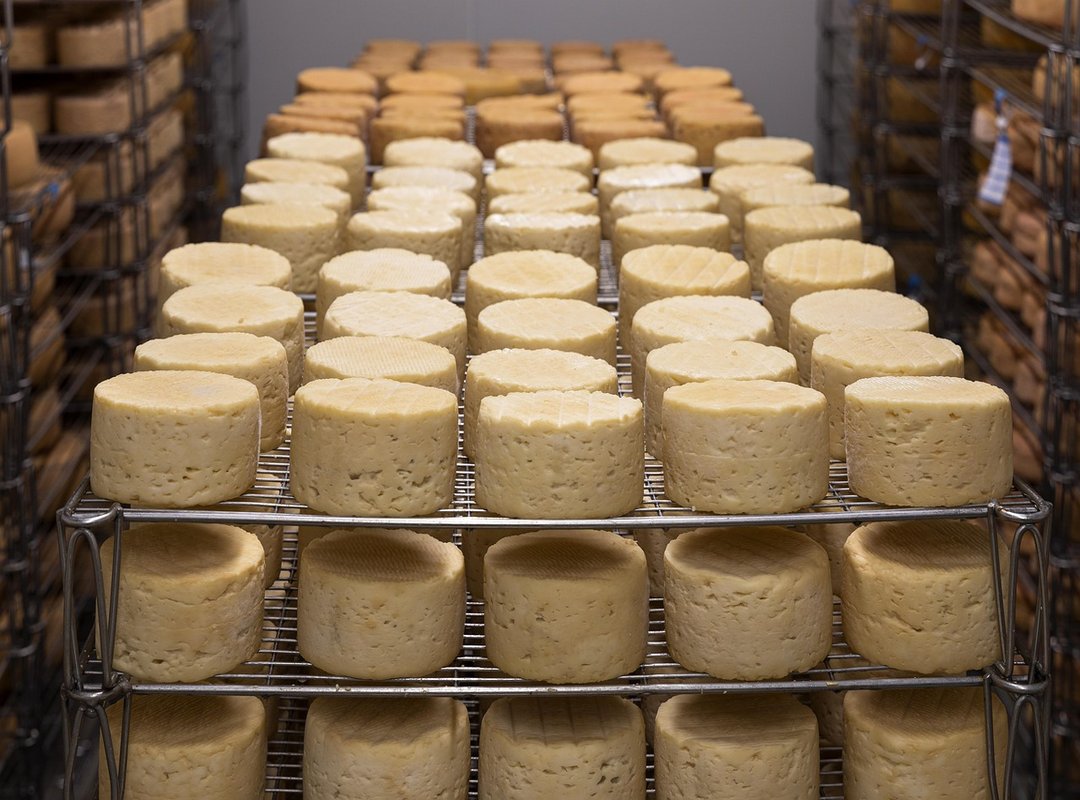
The result? Firm, often crumbly textures and intense flavors. You know the kind that makes you go back for more.
Aging isn’t just about getting older (though we all know that feeling). It’s about developing savory, umami notes and those crunchy tyrosine crystals that are like little flavor explosions. Parmigiano-Reggiano is a perfect example. Salty, nutty, and sharp, it’s the king of grating cheeses with its rich flavor profile.
Pungent and salty, made from sheep’s milk, it’s a staple in Italian dishes. And let’s not forget Comté. Its complex, nutty, and fruity flavors come from its alpine origins.
Then there’s aged cheddar. Sharp, tangy, and often crumbly, it varies from mild to extra-sharp. Pecorino Romano?
These cheeses define the phrase “cheese flavors textures.” They’re the real deal.
Blue Cheeses: Bold, Tangy, and Unforgettable
When it comes to cheese flavors textures, blue cheeses stand out with their pungent personalities. These cheeses get their distinctive blue or green veins from Penicillium molds. Intrigued yet?
You should be.
Whether you prefer the sweet Dolce or the spicy Piccante style, there’s a Gorgonzola for every palate. Then there’s Stilton, the English classic. Rich, creamy, and intense, it balances flavors like a seasoned performer.
Roquefort steals the show with its sharp, salty tang. Made from sheep’s milk, its intense flavor and creamy texture are unforgettable. In contrast, Gorgonzola offers a creamier, earthy taste.
But let’s not forget other unique varieties. Bloomy rind cheeses like Brie and Camembert bring creamy, mushroomy notes to the table. They’re different from blue cheeses but just as delightful.
Do you have a favorite? Or are you like me, constantly exploring these cheesy worlds? The variety out there is vast, and each cheese has its own story to tell.
Dive in and savor every bite.
Master Your Cheese Journey: Tasting & Pairing Secrets
Tasting cheese isn’t just about flavor. It’s about engaging all your senses. Start by observing the cheese’s appearance.
Notice the color, the rind, and any unique characteristics. Does it look appetizing? Then, move on to aroma.
Take a good sniff. What do you smell? Earthy notes or something nutty?
Texture comes next. Feel it with your fingers. Is it creamy or crumbly?
And finally, savor the flavor. Let it linger on your tongue.
When it comes to pairing, think contrast. Sweet plays well with salty. Creamy loves crunchy.
Try fresh cheeses with fruit. Hard cheeses? They shine with red wine.
Blue cheeses with honey? Pure magic. Experimentation is key here.
Don’t be afraid to mix things up. Want to dig into deeper into cheese’s crafted origins? Check out crafting cheese traditional techniques for a richer exploration.
Enjoy your cheese journey!
Dive Deeper into Artisan Cheese
You’ve got the basics down. You understand cheese flavors textures and can finally get through that cheese counter. No more guesswork.
Now it’s time to put your knowledge to use. Visit a local cheesemonger and explore new varieties.
Try hosting a tasting party. Share your new takeaways with friends.
The world of cheese is a delicious adventure waiting for you.
So what are you waiting for? Stop missing out on flavors that could raise your culinary game. Get out there and make your next cheese selection with confidence.
Your taste buds will thank you.
 Elveris Tavendria founded Zavagouda with a singular mission: to elevate the appreciation of artisanal cheese from a simple ingredient to a complex culinary experience. Driven by a passion for the nuanced flavor profiles of premium Gouda and a keen eye for zesty, modern food trends, Tavendria has positioned the platform as a premier resource for both aspiring home cooks and seasoned gourmets. By bridging the gap between traditional cheese-crafting techniques and innovative gourmet cooking, Elveris continues to inspire a community of food enthusiasts to explore the rich, pulse-pounding potential of artisan flavors in every dish.